Latest News Updates

img
25 April 2026
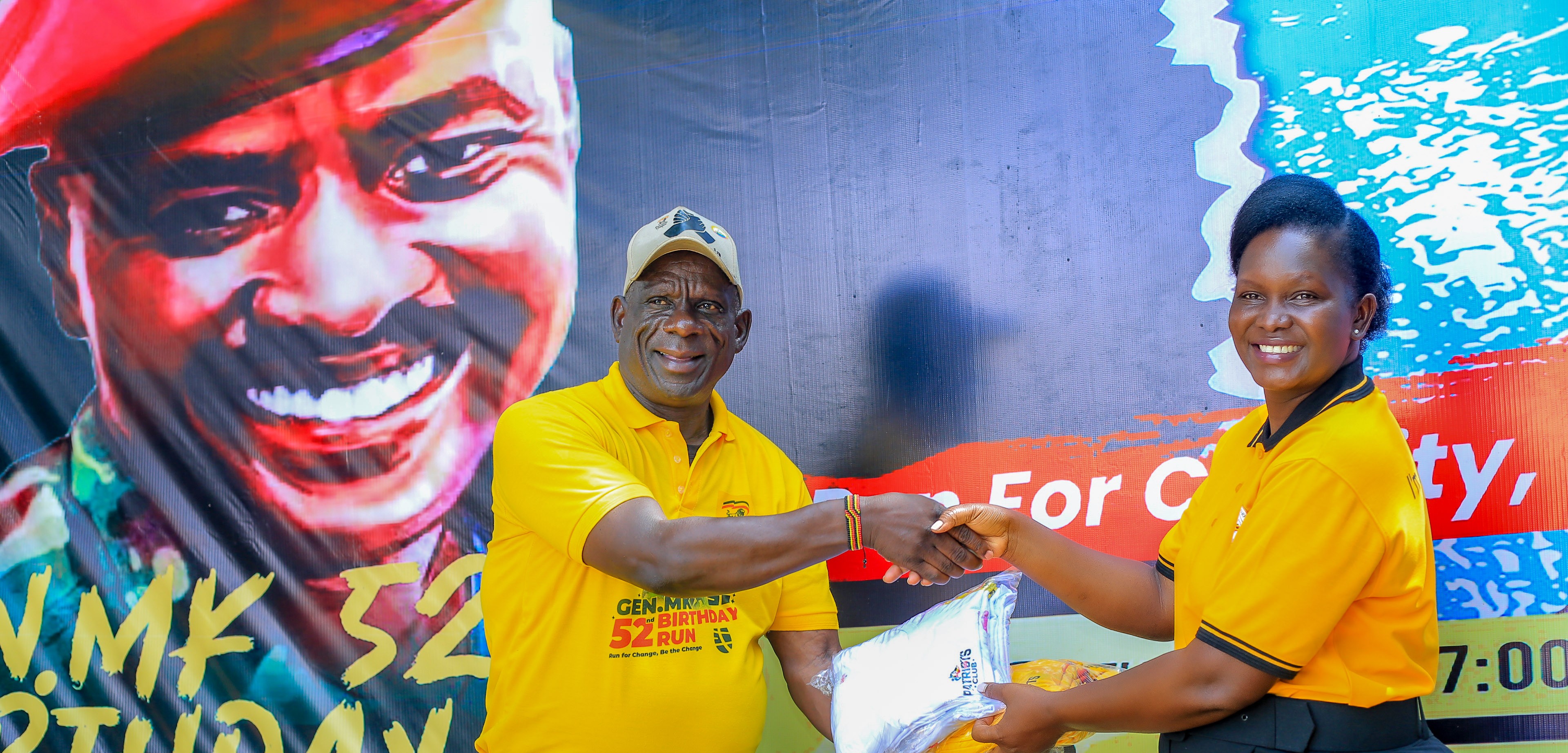
ALL SET FOR GENERAL MUHOOZI’S 52ND BIRTHDAY RUN IN KAMPALA

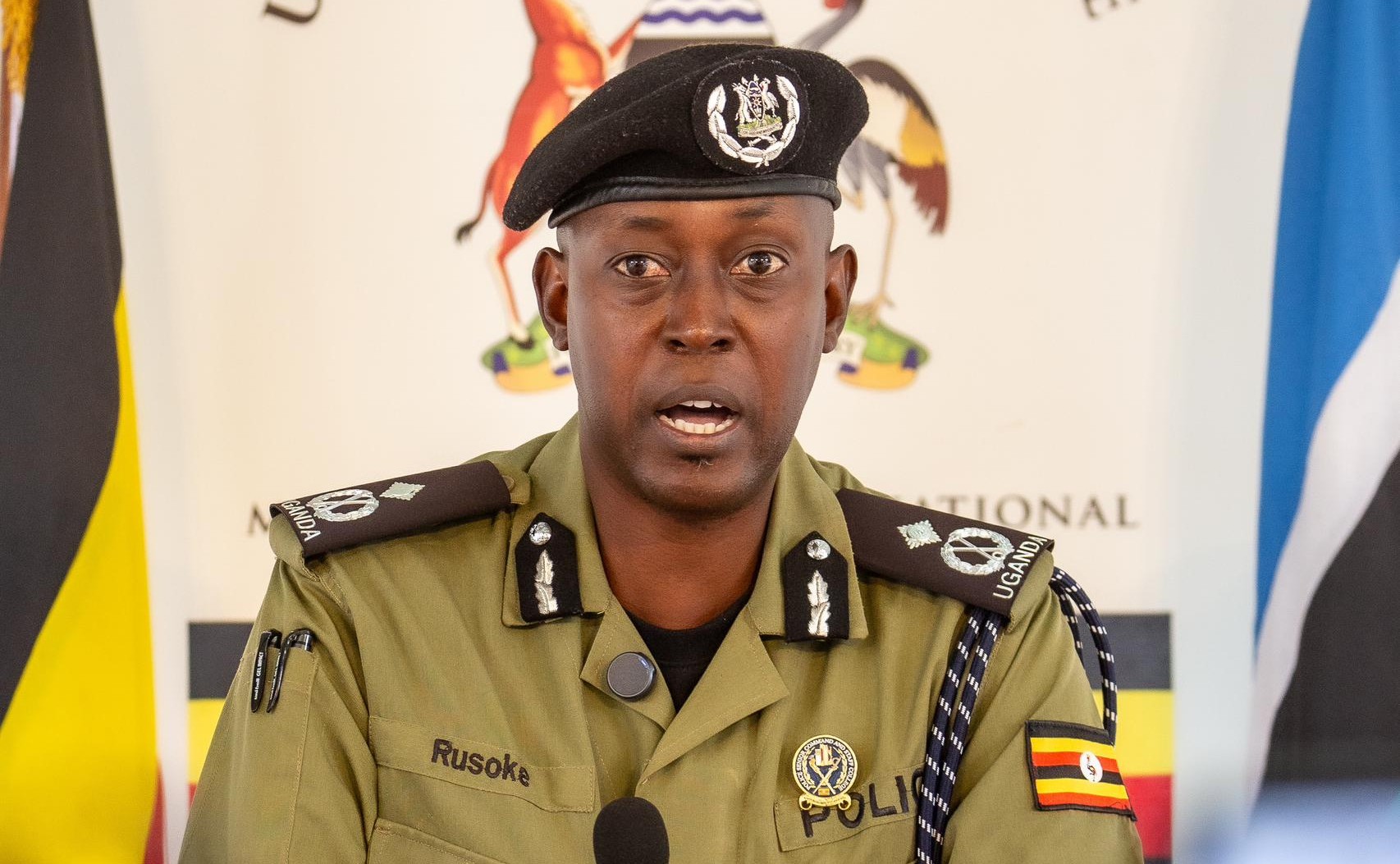
By Prince Obed Final preparations are complete for the highly anticipated 52nd Birthday Run of the Chief of Defence Forces (CDF) of the Uganda Peoples’ Defence Forces (UPDF), General Muhoozi Kainerugaba, scheduled for Sunday, April 26, 2026 at Kololo Independence Grounds under the theme ‘Run for Charity, Run for Hope.’ The charity marathon, which celebrates his birthday, will run from 7:00am to 12:00pm and is organized in partnership with the Patriotic League of Uganda and Patriots Club Uganda. Proceeds and finances from the event’s official kits will go towards charitable causes, reinforcing the annual run’s mission of giving back to communities across the country. General Muhoozi Kainerugaba will lead thousands of participants, expected to turn up for the run, which has grown into a major annual event celebrating patriotism, unity and community service. Today at Uganda Media Centre, Bob Kakuru, the Chairman Organizing Committee, while addressing journalists said, “This birthday run reflects General Muhoozi’s continued commitment to national service, charity and promoting a healthy lifestyle.” The Uganda Police Force spokesperson, ACP Kituuma Rusoke, assured participants that comprehensive security arrangements are in place to ensure a smooth and safe event. “Security teams will conduct checks at entry points and participants are advised not to leave bags unattended or carry sensitive equipment,” he announced. Kituuma added that participants will arrive in different ways for the marathon; running, walking, cycling and riding motorcycles. “Runners entering with invitations will access the venue through Elgon Terrace at Kololo Independence Grounds at the Protea Gate. Other participants will enter through the Wampewo Avenue Gate. Alternative parking has been arranged at Kololo High School, Kati Kati and UMA Showgrounds,” he said. The approximately 10-kilometre route is a circuit passing through key roads in Kampala. The marathon will begin at Kololo Independence Grounds, at the Protea Gate; John Babiiha Road (aka Acacia Avenue), Upper Kololo Terrace, Lugogo Bypass, Kira Road, Mulago Roundabout, Yusuf Lule Road, John Babiiha Road (aka Acacia Avenue), Lower Kololo Terrace, Wampewo Avenue and end at Kololo Independence Grounds. Motorists have been urged to exercise caution and cooperate with runners, as roads along the route will be monitored and regulated for safety. The organizing committee has called for full cooperation from runners, motorists and bodaboda riders to ensure a safe and successful event, while encouraging Ugandans to turn up in large numbers to support the charity initiative and celebrate this milestone birthday in a spirit of unity and hope. The General MK Birthday Run continues to grow as a national event, blending fitness and patriotism, promising another vibrant and impactful edition this year.

img
25 April 2026
PRESIDENT MUSEVENI HAILS LONG-STANDING PARTNERSHIP BETWEEN GOVERNMENT AND THE CHURCH IN TRANSFORMING UGANDA

President Yoweri Kaguta Museveni has recognised the long-standing partnership between the Church and Government, especially in achieving the goal of socio-economic transformation of Uganda. “While the most obvious task of the Church is the spiritual well-being of the people; the Church has also participated in carrying out developmental projects focused at enhancing the well-being of the communities,” he said. The President made the remarks today in his speech delivered by the Minister of State for Economic Monitoring, Hon. Beatrice Akello Akori during the official opening and dedication of the Life Restoration Ministries sanctuary at Nansana- Bujjuko. He said while working for heaven it is imperative for religious leaders to remind believers not to neglect their earthly responsibilities. “The Bible says that:…We are a colony of heaven on earth…” (Philippians Chapter 3, Verse 20) This is an important spiritual truth that implores Christians to be concerned with the affairs of the earth, as they prepare for the heavenly kingdom,” he said. President Museveni added that it was important to emphasise to believers that in addition to seeking spiritual nourishment from the places of worship, they should also participate in income generating activities to sustain their households. “All believers should take the example of Jesus Christ, who besides teaching, praying and fasting, was also a carpenter. He earned his bread as a carpenter. Therefore, religious leaders should use their pulpits to encourage the believers to work towards poverty eradication,” he said. “I want to use this occasion to re-echo the message of wealth creation at the household level. By prioritizing expenditure on electricity, roads, schools, hospitals, peace and security, the visionary leadership of the NRM Government has established a solid foundation for Uganda’s development and socio-economic transformation.” However, according to President Museveni, development alone is not enough; though it must come first, explaining that development is a collective good for everyone; but wealth and jobs belong to individuals, families, groups or companies. “We should not have spectators in the drive towards increasing household incomes. The remaining 33% of the households, which are still engaged in subsistence farming, i.e. working only for the stomach, must be mobilised to join the money economy,” he said. “The four major sectors for creating wealth and jobs are commercial Agriculture, Industrialization, Services and ICT. I call upon political, cultural and religious leaders to mobilise the communities to be wealth creators; and to guide our people to identify productive ventures in the above sectors.” Today’s function, of the official opening and dedication of the Life Restoration Ministries sanctuary, is an important milestone towards building God's kingdom, on earth. On the other hand, President Museveni commended Pastor Kenneth Kato Mwesigwa, for spearheading the initiative to build a magnificent house for the Lord. “I would also like to thank you for inviting me to take part in today’s dedication function. I thank Pastor Robert Kayanja for his tireless efforts in spreading the gospel; and helping to foster good relations between the Pentecostal Churches and the NRM government.” President Museveni also contributed Shs30 million towards the good cause. Pastor Kayanja thanked President Museveni for the way God has used him for harmony, peace and security in Uganda. Pastor Mwesigwa expressed gratitude to the government for the support and recognition, emphasizing that the church’s mission goes beyond spiritual nourishment to include community outreach, youth empowerment, and charitable initiatives. “We are truly grateful and we would like to convey our thanks to the President for the freedom of worship,” he said. He also commended the government for always supporting the faith-based institutions. The event featured prayers, gospel music performances, and messages from various religious leaders.

img
24 April 2026
UGANDA MOVES TO CUT CLINKER IMPORTATION AS PRESIDENT MUSEVENI COMMISSIONS YAOBAI FACTORY

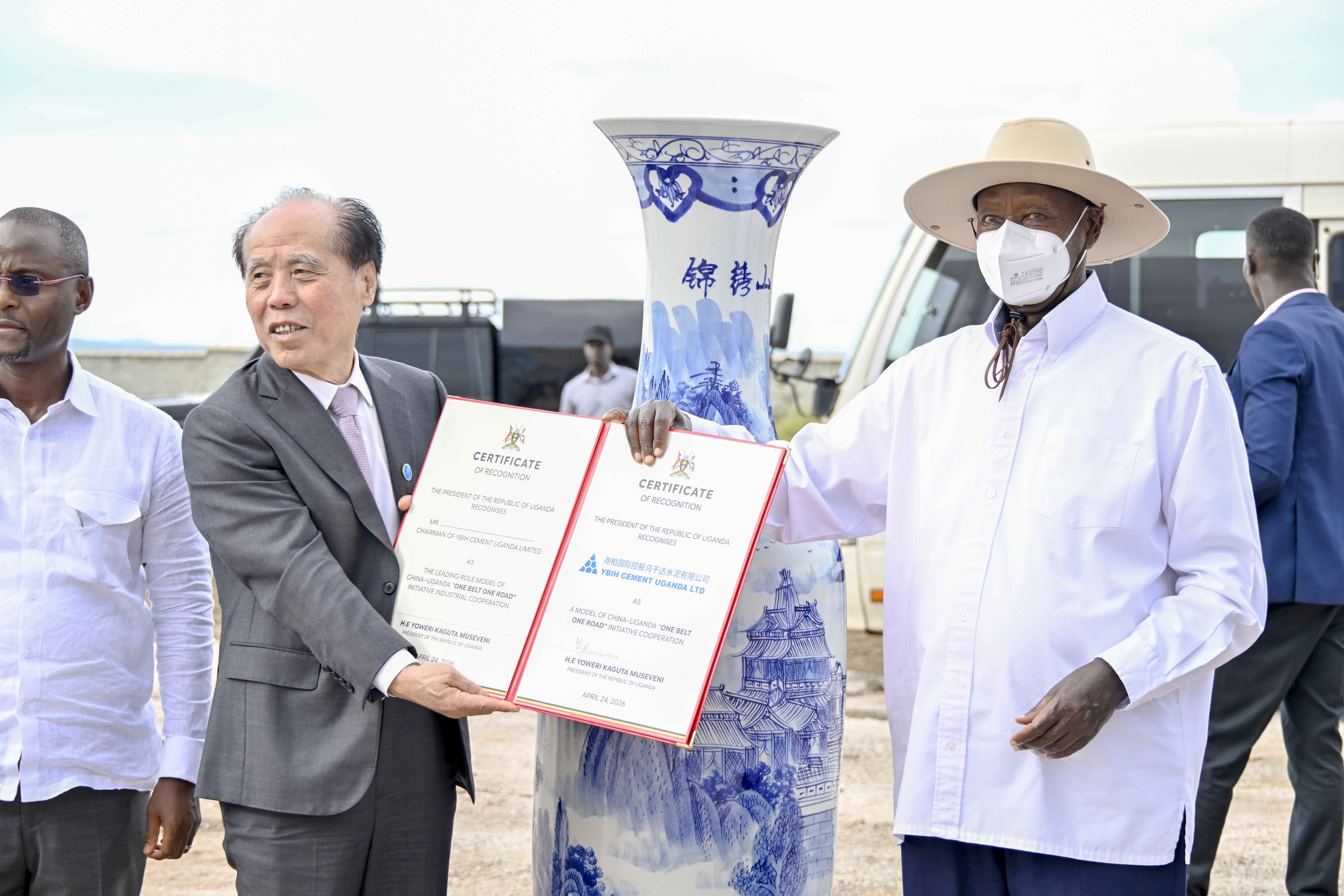
President Yoweri Kaguta Museveni, in the company of the Former Prime Minister of Ethiopia, H.E Hailemariam Desalegn Boshe, has today presided over the commissioning of Phase One of a 6,000-tonne cement clinker production line by Yaobai Cement. The facility is located in Nanduget , Moroto District. President Museveni commended H.E Hailemariam for his role in guiding West China Cement to invest in Uganda. He also expressed gratitude to the board Chairman of West China Cement, a conglomerate of Yaobai International holding Cement factory in Uganda, Mr. Zang Jiewen, for helping Uganda reduce its reliance on imported clinker. “I am very glad that Mr. Zang, with the guidance of Hailemariam, has saved us from importing clinker,” President Museveni said, noting that clinker constitutes about 85% of cement production and had previously been sourced from abroad. The President further thanked the Government of China for encouraging its citizens to invest in Africa, highlighting ongoing Chinese investments in sectors such as infrastructure and manufacturing. He pledged government support to ensure a favorable tax regime for the factory, emphasizing the importance of aligning with national investment policies. Reflecting on regional development, President Museveni noted that Karamoja, once among the least developed regions, is now emerging as an industrial hub due to its abundant natural resources. He also reiterated the government’s commitment to improving infrastructure, including key roads connecting Moroto, Kotido, and surrounding areas. H.E Hailemariam, who is the Africa Regional Ambassador of West China Cement, guided on the mutual benefit for China - Africa investment that he said is capable of aiding development and real economic transformation. The Vice President, H.E Jessica Alupo commended the President for creating a stable and attractive investment climate that continues to draw investors into the country. Similarly, the Minister of Energy and Mineral Development, Hon. Ruth Nankabirwa applauded the transformation of Karamoja from a conflict-prone region into a center of industrial growth. She noted that with ongoing infrastructure development, Uganda is on course to achieve its economic targets. The local partner, Mr. Ambrose Byoona, revealed that the project was inspired by President Museveni’s vision to establish a clinker factory in Karamoja. The Moroto District LCV Chairman Anjello Pulkol noted that the factory has created employment opportunities and improved livelihoods in the region. He credited the President for restoring peace in Karamoja, which has made such investments possible. Chairman Zang Jiewen expressed appreciation to President Museveni, the Chinese Embassy, and all stakeholders for their support throughout the project’s construction. He emphasized that the plant represents a major milestone in strengthening Uganda’s industrial base. Mr. Zang revealed that the project, with an estimated investment of over $300 million, is expected to produce up to 2 million tonnes of clinker annually and 3 million tonnes of cement, generating approximately $300 million in annual output value and creating more than 3,500 jobs upon full operation. He added that the project will significantly reduce Uganda’s clinker import bill, saving an estimated $200 million annually in foreign exchange. Beyond Uganda, the plant is expected to serve regional markets including South Sudan, Western Kenya, and the Democratic Republic of Congo, thereby strengthening the East African supply chain and contributing to regional integration goals. On behalf of West China Cement, Mr. Zang reaffirmed the company’s commitment to high-quality investment, technological advancement, and environmentally sustainable production, with plans to establish a modern, low-emission industrial ecosystem in the region. The Chargé d’Affaires of China in Uganda, Fan Xuecheng, praised President Museveni’s leadership and commitment to strengthening Uganda–China relations, noting that such partnerships continue to yield tangible development outcomes.

img
24 April 2026
PATRIOTISM SECRETARIAT PASSES OUT 1,250 STUDENTS IN MBALE AMID SCHOOL SECURITY CONCERNS

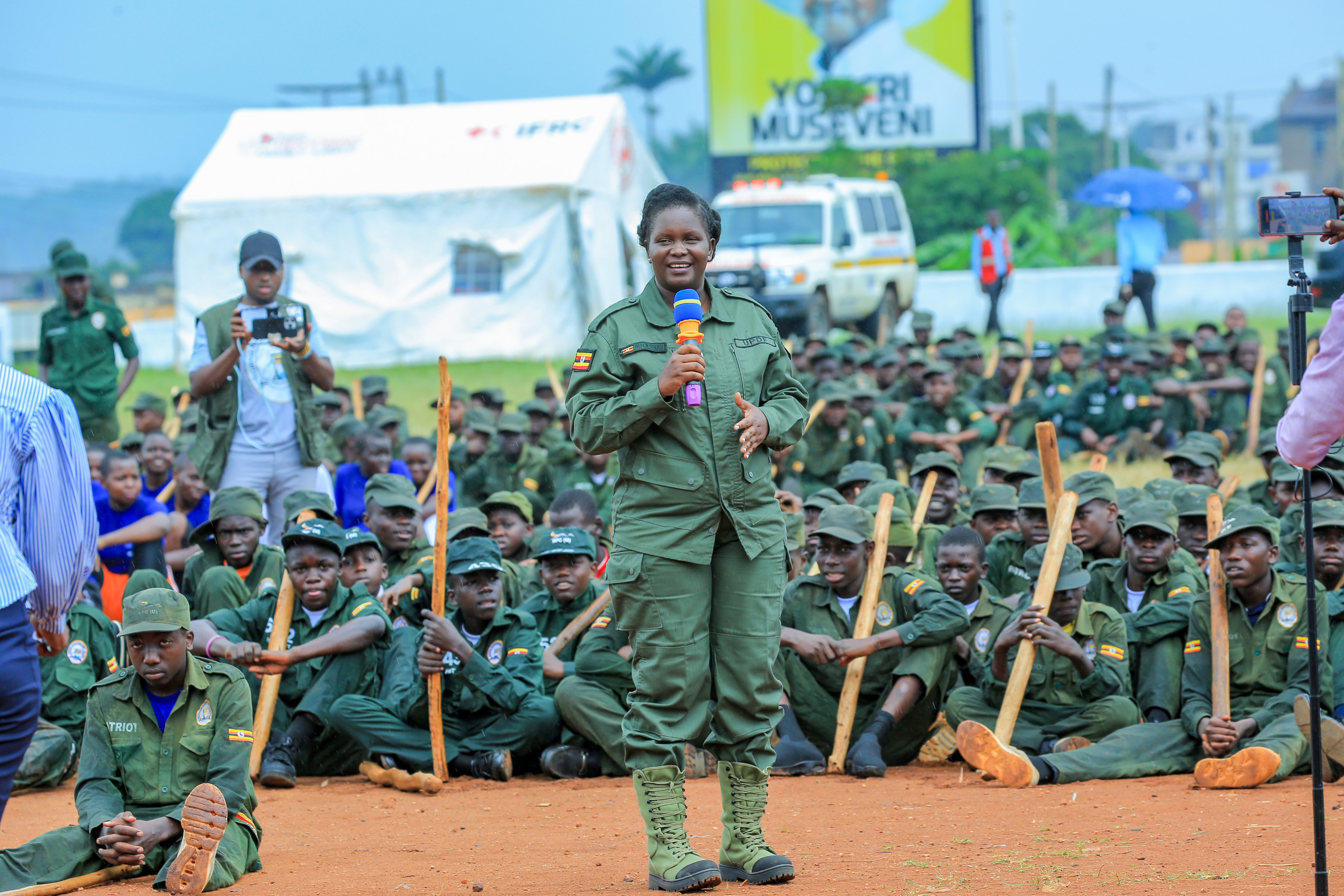
MBALE — The Commissioner of the National Secretariat for Patriotism Corps (NSPC), Ms. Hellen Seku, has today presided over the pass-out of 1,250 students from Mbale Secondary School, Joy Secondary School, and Gillsherlock Memorial School in Mbale District, in a ceremony aimed at strengthening discipline and national values among learners. Speaking at the event, Ms. Seku underscored the importance of patriotism training in shaping responsible citizens but expressed concern over rising cases of violence and indiscipline in schools across the district. She revealed that local leaders had raised alarm over worsening insecurity in schools, prompting intervention from higher authorities. “The leaders here raised serious concerns and wanted the matter brought to the attention of His Excellency the President. When I shared the information, he directed us to go on the ground and investigate what exactly is happening and what has failed,” Ms. Seku said. According to the Commissioner, the President tasked the security apparatus in the district to account for the growing incidents. “We have tasked the entire district security team to provide a detailed report explaining why students are engaging in violent behavior, fighting, and in some cases acting like criminals,” she added. Parents, Ms. Seku noted, voiced frustration over what they perceive as police negligence, alleging that students involved in criminal activities are often released shortly after arrest. “Parents are crying out, saying that whenever these children are taken to the police, they are released. We want to establish whether this is true and whether there could be deeper issues, including possible links to criminal gangs,” she said. She emphasized that findings from the ongoing investigations would guide the next course of action by the government, in consultation with the Ministry of Education and Sports. Ms. Seku also pointed to congestion in schools as a potential contributor to unrest, suggesting staggered dismissal times as a practical solution. “If schools are congested, they can release students in phases to avoid unnecessary clashes. We have seen this work in schools in Kampala,” she noted. The Commissioner further challenged school administrators and teachers to take a stronger role in instilling discipline, attributing some of the challenges to a lack of ideological clarity among educators. “A teacher who is ideologically grounded cannot tolerate indiscipline. They must correct and guide learners, not shield wrongdoers,” she said. She called for patience as authorities await a comprehensive report from the district security leadership, which will inform further interventions. The pass-out ceremony marks a significant milestone in the government’s ongoing efforts to promote patriotism and discipline among Uganda’s youth, even as concerns over student safety and behavior continue to mount in some parts of the country.

img
23 April 2026
NRM SCORED 87% IN IT’S 2021-2026 MANIFESTO REPORT

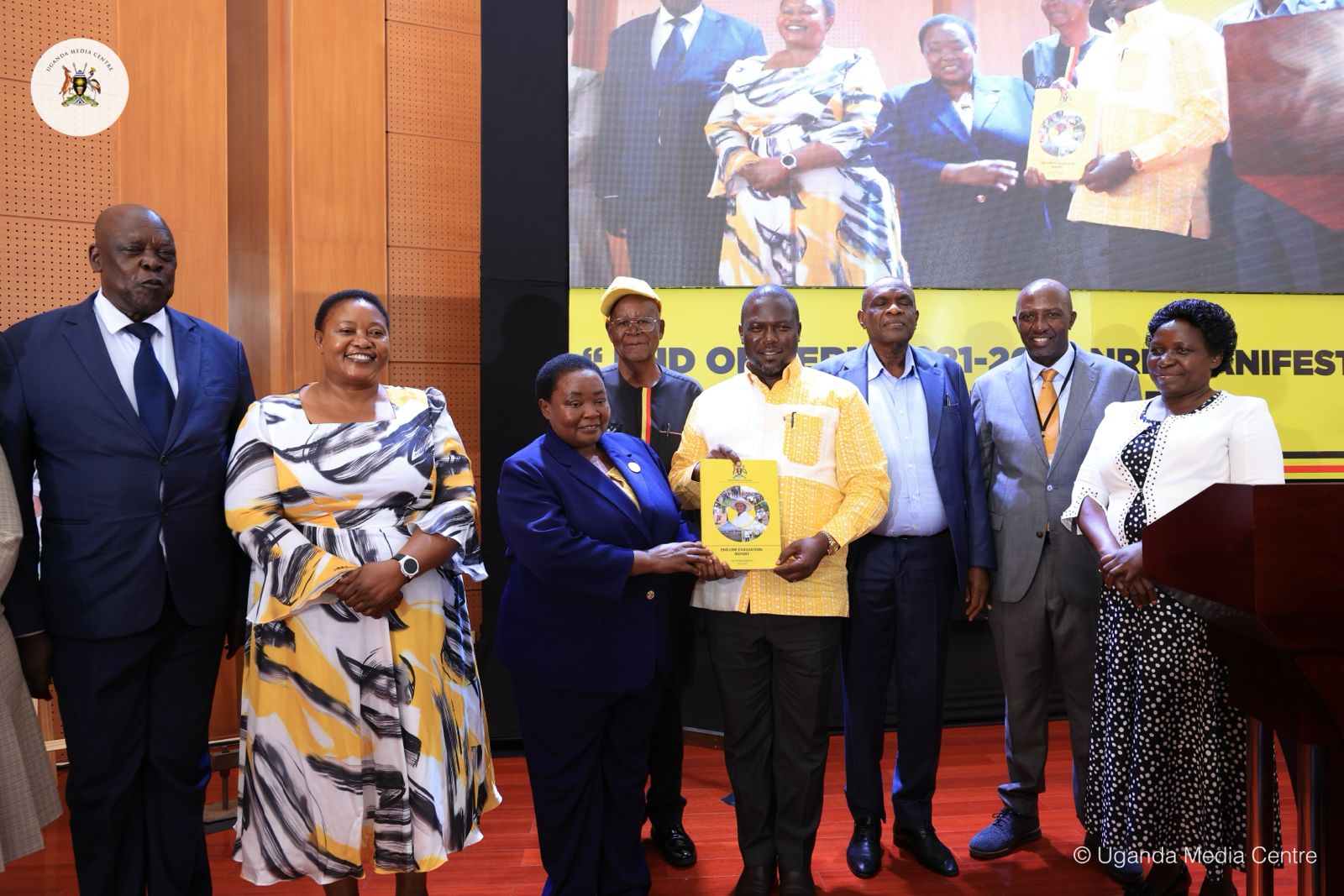
By Josepha Jabo The National Resistance Movement (NRM) scored 87% in its overall end of term performance assessment. This was revealed during the presentation of the End of Term 2021-2026 NRM Manifesto Evaluation Report, held in the conference hall, at the Office of the President in Kampala on Tuesday, April 21, 2026. The event was hosted by the Minister for the Presidency, Milly Babalanda, and the chief guest was the Prime Minister, Rt. Hon. Robinah Nabbanja. Other dignitaries included the Permanent Secretary in the Office of the President of Uganda, Hajji Yunus Kakande, the Secretary General of the NRM, Richard Todwong, Director of Communications for the NRM, Emmanuel Dombo, NRM politician, Professor Ephraim Kamuntu, the Director of the Manifesto Implementation Unit some ministers and, of course, the media fratenity. Hajji Kakande congratulated President Yoweri Kaguta Museveni for winning the presidential election with 72% of the vote. On her part, Babalanda pointed out that the report was being presented before the swearing-in ceremony. “The evaluation process commenced in June 2025. The report provides a comprehensive assessment of the implementation of manifesto commitments, at the close of this political term, which will conclude on the12th of May 2026, following the swearing-in of his Excellency, the President of the Republic of Uganda. The overall projected performance registered, standing at 87%, is a testament to committed leadership, coordinated implementation and a determined effort to fulfill the pledges made to the people of Uganda. It reflects a collective drive towards socio-economic transformation and the pursuit of a prosperous future for all Ugandans. This achievement provides a strong foundation for the next phase of Uganda’s development journey, particularly the implementation of NRM Party Manifesto 2026-2031 and the Fourth National Development Plan,” she said. Nabbanja saluted all Ugandans who voted overwhelmingly for the presidency and the NRM Party in the last elections. “The implementation period of this manifesto will end at the swearing-in of the new government. Therefore, as Leader of Government Business in Parliament and the chief implementer of government policies and programmes, I am pleased to present our accountability on the manifesto implementation status. As you are aware, the implementation of the manifesto committees was aligned to the Third National Development Plan (NDPIII) and now NDPIV the Vision 2024. Out of 809 manifesto commitments (pledges), 434 (54%) have been fully delivered, 264 (33%) are work in progress, and 110 (13%) are still being implemented. That means that at the end of this political term, the manifesto performance will be over and above 88%,” she said. “In 2026, Uganda emerged as Africa’s fastest growing private sector overtaking Nigeria,” Nabbanja revealed, a comment which drew applause from the audience. “Above all, our country has remained stable and peaceful over the past 5 years. We shall reduce the cost of doing business that is by lowering the cost of Internet, transport and electricity tariffs. We shall fight all forms of corruption. We shall continue to add value to our agricultural products and minerals before exportation. As we begin a new political term, I would like to inform the NRM party leadership and fellow Ugandans that the NRM government is ready to deliver on the new commitments outlined in the NRM Manifesto 2026-2031.” The Prime Minister concluded her remarks by handing over the report to the Secretary General. Todwong spoke glowingly about NRM party achievements. “On behalf of the party we are happy and excited to be here. For the first time, in the record of NRM, we are receiving a report on how our manifesto has been implemented. Under the multiparty political dispensation, parties compete based on their manifestos and these manifestos are drawn from Vision 2040, the NDPs and all other development agendas of government, from which we draw our manifestos. So, competition for political space is a competition of manifestos. It is manifestos that are being voted for, therefore, the winning party hands over that manifesto to government for implementation. Government has done wonders! Ugandans became very satisfied with our work and they brought us back to leadership by 72%. Governance is a continuous effort; it is not a one-off,” he said. “If possible, we shall eliminate corruption!” Todwong declared and light laughter erupted from the audience, which caused him to smile. He requested the Prime Minister and permanent secretaries help NRM fix the corruption problem. “We know it is not only in government; corruption is something that affects everybody in society, but they (people) are focusing on government corruption more, so let’s fix it.” He added that the NRM government wants to invest in cities, including Greater Kampala Metropolitan Area, to reduce the amount of time people spend in traffic jam. NRM is also committed to investing more in industrial parks, in all the sub-regions of Uganda; expanding affirmative action programmes, to attain social equity and ensure that no Ugandan is left behind. Todwong pledged to deliver a much-improved manifesto going forward. “There were challenges in implementation, in the next manifesto we shall correct ourselves and make sure we move together. The party and government are in a very cordial relationship. For those who are not yet aware, we are now planning for 2031. Thank you so much for this wonderful report, I will present this report to the party leadership.” The writer works for Uganda Media Centre

img
23 April 2026
PRESIDENT MUSEVENI CALLS FOR STRATEGIC INFRASTRUCTURE INVESTMENT TO DRIVE AFRICA’S INDUSTRIAL TRANSFORMATION

President Yoweri Kaguta Museveni has today joined regional leaders from across the continent and beyond for the opening of the Africa We Build Summit 2026 at JW Marriott Hotel in Nairobi, Kenya. The high-level summit focused on accelerating infrastructure development and industrialisation across the continent. The two-day summit hosted by Africa Finance Corporation (AFC) in collaboration with the government of Kenya has drawn Heads of State, policy makers and private sector leaders to discuss practical ways of unlocking Africa’s potential through large scale projects. President Museveni appreciated the President of Kenya, H.E William Ruto for organising the summit. “I thank H.E President William Ruto and Africa Finance Corporation for organising the Africa We Build Summit,” he said. President Museveni called for a coordinated and strategic approach to infrastructure development across Africa, emphasising that investment in transport, energy, industrial capacity, and regional markets is essential for unlocking the continent’s economic potential. He noted that infrastructure must not be treated as a standalone asset but as part of an integrated development framework linking roads, railways, ports, electricity, and digital systems to productive sectors such as agriculture, tourism, and micro, small, and medium enterprises. “The transformation of Africa requires moving priority infrastructure projects from conception to implementation through coordinated planning and regional cooperation,” he said. The President observed that Africa’s economic growth has not yet matched its vast natural resources, population strength, and land advantage, stressing the importance of addressing structural bottlenecks that continue to slow development. He emphasised that instability driven by sectarian politics and weak state institutions undermines infrastructure progress and economic transformation, thus calling for ideological clarity, national unity, and strong security institutions as foundations for sustainable development. President Museveni further highlighted the urgent need for Africa to shift from exporting raw materials to producing finished goods locally. He explained that value addition in commodities such as cotton, coffee, minerals, and petroleum would significantly increase national revenues and create employment opportunities across the continent. He also underscored the importance of investing borrowed funds in productive sectors such as electricity generation, railways, fuel pipelines, and industrial manufacturing rather than recurrent expenditure. “Infrastructure must strengthen what I call the bone marrow of the economy, the core systems that support industrialisation and long-term growth,” he said. The President reaffirmed Uganda’s commitment to advancing regional integration through infrastructure connectivity, industrial production, local vaccine manufacturing, steel development, and petroleum refining capacity, noting that such investments would contribute to shared prosperity across East Africa and the wider continent. He also emphasised the importance of expanding intra African trade through the African Continental Free Trade Area framework, describing market integration as essential for attracting investment and supporting large scale production. President Museveni concluded by urging African governments, development finance institutions, and private sector partners to prioritise coordinated infrastructure financing that supports industrialisation and economic independence across the continent. President Ruto delivered the keynote address, setting the tone for discussions under the theme” “Infrastructure as the Engine of Industrialisation.” We must also acknowledge that other regions have faced such challenges but overcome them. Africa's place in the global trade requires urgency, manufacturing has been stagnant at 10%. We need a way forward in terms of manufacturing and value addition,” he said. President Ruto also emphasised strengthening of political resolve on how to connect through infrastructure, roads , raw materials and intermediate goods to move naturally. He also noted that there is a need to demonstrate leadership at the highest level by positioning themselves strategically. “The Kenya government enhances equity by 25%bn dollars. I want to assure you that we will continue as leaders in this country and count on us to do more.” He also thanked President Museveni for investing in the pipeline project, noting that: “Mzee the same way you invested in the pipeline is the same way we are always ready to work together.” Nigerian businessman Aliko Dangote applauded President Museveni for his bold decision to ban unprocessed minerals. “I also want to commit to the two Presidents here that with their support for the refinery, we will build a similar one in East Africa like the one in Nigeria,” Mr. Dangote said.

Latest Press Releases

Opinion Posts

author's photo
27 April 2026
UPDF’S UNMATCHED CIVIL MILITARY CO-OPERATION CIMIC

The deliberate cultivation of an entrenched harmonious relationship between the civilian population and the military is a relatively new concept in Uganda’s post colonial history. Ugandans of a certain age watch in wonder - UPDF community cleaning exercises, offering free medical services, building civilian facilities and generally working to uplift the wellbeing of Wana-inchi. Until recently, this was not a given. The former Uganda Army [UA] and later on Uganda National Liberation Army [UNLA] were derivatives of Kings African Rifles [KAR]. In 1962, the British colonial government granted Uganda independence and transferred power to a civilian government led by the then-Prime Minister, Dr. Apollo Milton Obote. The military, which was only a battalion strong - originated from the King’s African Rifles who were left to defend and protect Uganda after the British retreated. The Colonial power had trained the KAR to enforce colonial rule and some elements had fought in the second world war. Allegiance to the new state was not guaranteed. The same applied to the armies in Kenya and Tanganyika. Early in 1964, the KAR in all three newly independent East African countries mutinied, demanding a pay raise and suitable promotions to match their new position. A precedent had been set and it did not auger well for future civil military co-operation in Uganda. A quick glance at the history of Armed Forces. The notion of a state with sovereignty and territory, marked by a clear boundary, originated from the Conference of Westphalia in 1648. Before this, there were no states but frontiers. When the concept of a state developed, it created a need for a strong authority to defend it from other external powers within the anarchic broad system. Each state had to work to survive by building and funding a strong military and instruments of national power. The military was therefore established to deter external threats, defend, and safeguard the national interests. If you ask yourself, what was a colonial army established to do in Uganda or else where? This was a force established by illegitimate occupiers of our territories to enforce their interests, not ours. Let’s revisit the story of Uganda’s Armies before 1986. When the post colonial forces in the East African region mutinied around the same time in the early 1960’s, all the three heads of Government in these countries had to request the British government to suppress the mutinies. The British Commandos, still based in Kenya, responded and contained the situation. This was an eye opener. The Army could challenge civilian authority. Indeed, in 1971, the Army led by Gen. Amin Dada, overthrew the government in Uganda. This Coup d’état marked the start of a chaotic period. Contrast this with the birth of NRA/UPDF. Born and bred in the jungles of Luwero Triangle, the nucleus of the force was sheltered, blended, was fed and recruited from the population near and far- but within Uganda. The notion of a pro-people force, a peoples Army starts with its formation. I observed it first hand as a young school pupil. You would be right to call me a Kadogo because I was involved in NRA’s clandestine recruitment operations. Our home was a rendezvous for scattered soldiers [those who had run away from UNLA] but were hiding in Western Uganda. Major Gen [Rtd} Emmanuel Burundi and my late cousin, the late Major George Rwaibanda led this group. All together, there were about 20 ex UNLA soldiers who had deserted the Army, some with their pistols but had not found a way to the bush yet! Just like the main group in Luwero, they were hidden, fed and eventually facilitated by the civilians to find their way to the Triangle. I remember a senior combatant who came to fetch them. Stephen Kashaka, now a retired Major General. Their assembly point was our ware-house behind my parent’s business in Kazo. I was the errand boy – buying logistics needed for the group’s journey to Luwero – as they could not go to shops fearing to be identified by UPC functionaries. The group who travelled by foot that night mid-1981 included people like Emmanuel Burundi, now a retired Major General, the late Captain James Kamuntu, the late Tom Mihirane and others. This is the genesis of the people’s army, the NRA, which started off embedded within the population. It was the NRA/M government which assumed power in 1986 that bought about the current dispensation where we can talk of civil military cooperation [CIMIC] but the relations started way back in Fronasa. Even at the peak of the insurgencies post 1986, the NRA/UPDF cared about and worked with the populations in those troubled areas. You could well argue that one of the key reasons these groups were defeated was due to UPDF’s good relations with the population. The insurgents were eventually isolated and dealt a blow, militarily. In the meantime, where the President spotted gaps, and I would argue these were civil/military relations, he sought to close them. For example, in 2001, he appointed Gen Katumba Wamala as the Inspector General of Police [IGP]. This followed serious complaints from the public that Police was unable to curb raising crime in Kampala metropolitan. Subsequent appointments continued to increase the number of Military officers seconded to the Police, URA, Uganda Wild Life Authority, Fisheries and Forestry. The Media and some commentators argued that the government was militarising the Institutions. The counter-argument was that these Institutions lacked certain competencies that require Military support and that the constitution allowed it anyway. Later, UPDF started working with NAADS, a program focused on poverty reduction and agricultural modernisation, which is vital to Uganda's economic growth. This development presented challenges and opportunities, requiring UPDF personnel to quickly learn and adapt to their new status as agents of socio-economic transformation. Their involvement has been crucial, as they directly support the broader aims of Uganda’s stability and economic transformation. This has already paid dividends. I have broadened Civil-Military Cooperation in Uganda to refer to the interaction between the military as an institution and the other sectors of society with which the military is involved. It is a complex and multidisciplinary subject that could well be studied as a module in Development studies. While as the most common and observable CIMIC activities include periodic community exercises, free medical services, construction and repairs of civilian facilities around Tarehe-Sita – the more intrinsic ones could be the interaction between UPDF and NAADS and some of the activities of Operation Wealth Creation such as the distribution of seeds and planting materials. Clearly, these interactions constitute what is civil military cooperation as a concept. At the heart of this dichotomy is the principle of civilian control of the Military. This principle is enshrined in the Constitution of Uganda where the civilian policy makers would establish goals of security policies and provide the material resources for the Military to carry out those policies. Article 208 [2] of the Constitution which subordinates UPDF to civilian authority outlines that. Civil-Military cooperation is healthiest when there is mutual trust between civilians and the military, leading to a respectful give and take. In Uganda’s case, we are yet to test these dynamics out with a civilian commander in chief. President Museveni has been an all-rounder stratifying both civil and military spheres which has been a bonus. We hope for a continuation of CIMIC under a future civilian Commander in Chief. Like former President Obama’s campaign slogan: ‘Our destiny is not written for us, it is written by us, we are the generation we’ve been waiting for and YES WE CAN’. Dennis Katungi is Head of Communications & Media Relations – Uganda Media Centre @Dennis_Katungi

author's photo
25 April 2026
ENFORCING TRADE ORDER; IGNORE THE NOISE, JUST DO THE JOB

It is now a few weeks since the enforcement of the trade order campaign started. The enforcement of trade order began with Kampala that had become one, big, chaotic and embarrassing capital city. Traders were trading in the middle of the roads and had made life difficult for those that were trading in organised shops. Movements in the city was a nightmare, for both motorists and even pedestrians, because roads and walkways had become trading zones. Once the enforcement was concluded, Kampala now looks like a city indeed. Therefore, government must remain resolute in enforcing orderliness in our cities, towns and urban centres. Of course, the usual noisemakers especially those that were benefiting from chaos are up and about, making endless pleadings to be spared. It is ridiculous that even pastors, whose makeshift churches were affected, are up in arms resisting the enforcement, as if laws that govern the rest of the society should spare them. The cleaning of illegal trading centres was not a Kampala thing alone. The demolition of illegal trading zones is now across all urban centres in the country. The Permanent Secretary of the Ministry of Local Government, Ben Kumamanya, in a in a circular dated March 10, 2026, addressed to all Chief Administrative Officers, City Town Clerks, and Municipal Town Clerks, outlined a nationwide plan to reclaim urban spaces and restore “trade order.” The directive came amidst a surge in unlicensed street vending, informal settlements and unplanned structures that had increasingly overwhelmed city and town streets. He directed local authorities nationwide to enforce licensing laws and remove illegal trading from public spaces, as urban centres continue to face rising unregulated commerce. What the local leadership should now emphasise is massive communication, such that the affected parties are told in time, such that when the demolition exercise begins, they are not caught unawares. Announcements should be made on radios and televisions and other mediums of communication such that there is no communication gap. Kumamanya emphasised that all commercial activity must comply with the Trade (Licensing) Act, Cap 101, requiring traders to hold valid licenses and operate strictly from designated areas. He noted that migration to urban areas in search of employment, coupled with limited formal capital, has contributed to a rise in illegal street vending, hawking and informal settlements. Such “disorganized trading” adversely affects formal traders operating from legitimate shops and markets. Some traders, however, have raised concerns about insufficient facilities and poor lighting in designated markets, arguing that compliance without viable alternatives threatens their livelihoods. Despite these concerns, Kumamanya and local officials maintain that the operations will continue until order is fully restored, while also encouraging community awareness and adherence to the Trade (Licensing) Act. What is shocking is that some politicians have jumped on this noble campaign and are politicising to gain cheap, political capital. Hiding under the guise of defending the rights of the poor, they shed crocodile tears for the evicted, minus offering the alternative that is not chaotic trading. It is very annoying that after government spent a lot of money and built modern market across the country, traders refused to move in and take over the stalls, preferring to trade on the roadside. A case in point is the Lukaya Market, where traders completely refused to use an organized market, which government spent hundred of millions to construct. It is very imperative that as government we become firm and reign in on impudence. People are not trading in the middle of the road because of little income per se. It is largely the feeling that after all nothing can happen to them. Impudence and impunity have gone overboard in our country. For a long time, Ugandans have been complaining about the chaotic way we manage our towns and cities. Every time we visit our neighbours, we are awed by how neat and organised their cities and towns are. We exalt their leadership using all the superlatives. What is strange is the fact that when our own leaders also begin putting our own house to order by enforcing organised trade, they are attacked and government is falsely accused of against the poor. One question though, don’t our neighbours, who have organised urban trading centres, have poor people in their country? Of course, they do! The only difference that their poor obey the law and trade from the gazetted zones. Organised trading spaces are crucial for enhancing economic growth, improving safety, and ensuring efficient, transparent commerce. By centralizing transactions, these spaces increase liquidity, allow for fair price discovery, and protect participants through regulated rules. Well-managed spaces also boost local economies, provide secure environments, and reduce urban congestion  Finally, if don’t be so deliberate to enforce both trade order and organized physical developments, we shall loose out on achieving the much-fancied tenfold growth strategy by 2040. This is because no tourists love seeing chaotic and unplanned developments in any place because such is always associated insecurity. The writer works with Uganda Media Centre

author's photo
23 April 2026
GEN. KAINERUGABA FAST TRACKS UGANDA INTO THE COMMONWEALTH ENTERPRISE & INVESTMENT COUNCIL.

Uganda has been a member of the Commonwealth of Nations since attaining its independence in 1962. However, it has not been a member of the prestigious Commonwealth Enterprise & Investment Council, the business engine of the entity. In December 2025, a delegation headed by Lord Swire, the Commonwealth Enterprise & Investment Council Deputy Chairman came to Kampala to extend an invitation to Uganda for membership of the Council. As the President was in the middle of campaigns upcountry, he assigned the task to Special Operations, the docket under Gen. Muhoozi Kainerugaba. The Special Operations Desk, under the CDF is a no-nonsense channel that cuts through bureaucracy and red tape, delivering projects on time and in the framework desired. There’s no room for delays waiting for ‘kitu-kidogo’ or kick backs. Lord Swire together with A Q Hamza, the Chief Commercial Officer and Group Director for International Trade Relations at Equity Group Holdings met Gen. Kainerugaba at the Special Forces Command Headquarters in Entebbe and discussed the potential for Uganda joining the Enterprise and Investment Council of the Commonwealth Group. They also discussed Uganda’s participation in the Commonwealth Trade and Investment Summit, just concluded in London on April 21st. The annual summit is regarded as a premier forum that brings together the blue-chip business community with Heads of Government Institutions senior leaders and captains of industry. The initial stage involved Uganda paying its subscription for membership of the Council which Gen Kainerugaba promptly initiated. It was done. The second part involved preparation for participating in the Commonwealth Trade & Investment Summit in London. The summit has taken place at a particularly significant moment for the global economy. Businesses and Governments around the world are facing an increasing uncertain environment shaped by rising protectionism, tariffs, supply chain disruption, geo-political tensions and rapid technological change. Against this backdrop, the Commonwealth has never been more relevant. Built on shared legal systems, the English language and trusted relationships, the ‘Commonwealth Advantage’ continues to make it easier, faster and cheaper to do business across borders of member nations. Uganda is now at that Table. The just concluded 2026 Summit availed a platform for discussions, re-focusing on critical issues and ensuring the Commonwealth business priorities were advanced. It featured plenary sessions and high-level round table discussions – supported by more informal networking opportunities and business to business meetings attracting some of the blue-chip companies as well as high profile participants. Some of the companies from Uganda that participated included the Madhvani group, The Implementing Partner Limited, River Bank International and The Independent Publication. The Uganda Media Centre was there to cover the summit for Uganda. The Commonwealth Trade & Investment meeting chose Uganda as its next destination to host the summit in 2027. The theme for the 2026 Summit was ‘Commonwealth Solutions to Global Challenges’ and focused on how the Commonwealth can provide practical answers to some of the most pressing issues facing global business and trade. Through a combination of main stage discussions and closed-door roundtable, participants explored the role of investment, technology, innovation, sustainability and public – private corroboration in creating new opportunities across the network of over 150 Strategic Partners and 56 countries. Andrew Mwenda who spoke on behalf of Gen. Muhoozi Kainerugaba articulated the dynamic of international trade and the way it disadvantages the developing world. He argued that for as long as the developing world continues to export raw materials with limited value addition, those countries would never compete favourably with the developed world. He took a dim-view of Direct Foreign Investment as a way of pulling countries out of poverty. He argued for innovative partnerships that allow developing countries to add value to their exports whether its oil, minerals or commodities and for them to enter into new technologies with the developed nations able and willing to share technical know how. The two-day summit had key sessions on ‘the commonwealth’s advantage’, global tariffs; reshaping the World’s economy, mobilising capital for growth in emerging markets, critical minerals, capital and the Commonwealth power, investing in the future of digital health systems, balancing growth and preservation in global tourism, building resilient diversified economies, cross-border trade payments as a backbone of global trade, global energy transition & what will power the next decade, Skills, work, and inclusion in the age of Artificial intelligence among other topics. There were insightful presentations but Tim calver, VP Commercial & ITM Power gave a captivating one on Balancing Energy Security and Decarbonisation. The two-day summit was attended by several Cabinet Ministers of Commonwealth member states, Heads of International Agencies including the Secretary General of the Commonwealth, The Hon. Shirley Botchwey and other notables including Lord Marland, Chairperson of the Commonwealth Enterprise & Investment Council, Hon Sylvie Temon, Minister of Foreign Affairs, Central Africa Republic and Professor Birgitte Anderson, Chief Executive Officer of the Big Innovation Centre, UK. The writer is Head of Communications & Media Relations – Uganda Media Centre. @Dennis_Katungi

author's photo
21 April 2026
BALANCING SOVEREIGNTY AND OPENNESS: REGULATING FOREIGN INFLUENCE WITHOUT STIFLING GROWTH

"No man is an island, Entire of itself; Every man is a piece of the continent, A part of the main." The European poet who wrote those words 400 years ago has become relevant in today's discussions. No nation is an isolated island, entire of itself. Every country faces foreign influence, only differing in how they manage it. Some countries tend to ban foreign influence operations outright, with severe penalties for those involved. Others take a narrower approach - prohibiting foreign funding in sensitive sectors like arms, security and elections. There are those, still, who will allow it elsewhere if properly disclosed. Foreign-funded lobbying, for example, is usually legal provided the money trail is transparent. That is the common-sense line. Uganda is not starting from scratch in this. We already have the NGO Act (2016) and the Political Parties and Organizations Act (2005), both of which could be sharpened with the passage of time and rapid development of technology. But do we need entirely new legislation to regulate or prohibit online foreign operations? We think we do. To stress the central point, foreign influence is not new. Every country has it and exerts it on others. The test is whether we can tell help from harm. Our history shows foreign influence cuts both ways. Some interventions helped; others harmed. Any new law must weigh both outcomes. The task for us all, and particularly Parliament, is to separate legitimate foreign influence — open and transparent — from covert foreign interference — coercive, deceptive, or clandestine. What other democracies do: The principle is the same worldwide: nearly every country now has laws to combat foreign interference in political parties, civil society and online spaces. The UK leans on three key statutes: the National Security Act 2023, the Political Parties, Elections and Referendums Act 2000, and the Online Safety Act 2023. Singapore’s Foreign Interference (Countermeasures) Act, passed in 2021, lets the state direct platforms and individuals to counter hostile information campaigns. It tags “Politically Significant Persons” for stricter reporting on foreign donations and links. Canada’s Bill C-70, tabled in 2024, would create a foreign influence transparency registry and toughen penalties for acting on behalf of foreign entities against Canadian interests. Australia criminalized foreign interference under its Criminal Code, with jail terms of up to 20 years, backed by a Foreign Influence Transparency Scheme. The United States uses the Foreign Agent Registration Act to compel disclosure by anyone acting for foreign principals. Federal law already bars foreign nationals from funding U.S. campaigns. New proposals aim to close loopholes on “indirect” contributions. The European Union is pushing transparency rules, tighter ‘revolving door’ limits, and curbs on foreign-funded third-party electioneering. The common tools across these laws (now also proposed for the Ugandan law) include: a) Registration: requiring agents of foreign governments to declare the relationship, as Australia does. b) Funding bans: Prohibiting foreign donations to political candidates and parties, as Singapore and the United States do. c) Information controls: Empowering authorities to order takedowns of accounts run by foreign actors sowing discord, and targeting proxies. These also criminalize the use of local agents to sway politics or policies in favour of a foreign entity. So the distinction matters. A law targeting domestic interference by hostile foreign actors should focus on the financial ecosystem — blocking local proxies from accessing funds for that purpose. As is usual in legal matters and orderly conduct of society, definitions are the foundation of any discussion. We must define terms precisely. Foreign funding — grants, aid, loans with no ownership or control — is not the same as foreign direct investment — capital placed in an Ugandan enterprise with ownership, control and long-term commercial interest. Both serve development, but they need different rules. Conflating them is to risk creating regulatory gaps, lost tax revenue, distorted investment data and shaken investor confidence. The law should distinguish grants, loans and equity, and spell out how each is regulated in the context of sovereignty. We face one core task today, as Ugandans: define the enemy (in a manner of speaking). The task is definitional: Foreign influence — which is open, transparent engagement — is not foreign interference. Foreign interference is often covert, coercive, deceptive action. For instance, a foreign state or player paying local proxies to spread disinformation or misinformation to influence policy is interference. The intent of the Sovereignty Bill intent is sound. Its success depends on clarity, restraint and honesty about our own history. The contributions to the debate are therefore important and welcome. That is why we are processing the Bill through Parliament where the people’s representatives would interface with the law. The scope of the Bill as we understand it is to regulate agents of foreigners and foreign fund intended to influence Government Policy. All Ugandans should be behind this for Uganda. The issue is whether a Ugandan or a person who receives money from the diaspora that is intended for private, commercial or family purposes, will be required to comply with the provisions of the Protection of Sovereignty Act, once passed. The scope of the Act is clearly defined under the Bill and it does not include funds received for private, commercial or family purposes. The law will only apply to funds that are meant to fund the activities listed in in the Bill - that is activities that are intended to promote the interests of a foreigner against the interests of Ugandans; activities influencing the development of the policy of Uganda's Government; activities influencing the public to oppose the policy of Government; and funding of political parties or organisations or any person contesting for an election in Uganda. The justification for the Protection of Sovereignty Bill is grounded in the urgent need to safeguard Uganda’s autonomy and stability in the face of many identified challenges. The Bill is not an isolationist turn, but a measured assertion of Uganda’s right to self-govern and definition of the terms of its engagement with global systems. The following points outline the rationale for the Bill and why it is timely and necessary: (a) Filling legal and policy gaps: A technical justification for the Bill is that it will fill gaps in the existing legislative framework. While Uganda has laws touching on these domains (e.g. the NGO Act 2016, Anti-Money Laundering Act, Anti- Terrorism Act, the Public Finance Management Act), these laws operate in silos and do not explicitly articulate the overarching principle of sovereignty protection. (b) Preserving national security and social stability: Unregulated and unchecked external funding directly impact national security and social cohesion. (c) Upholding self-determination in policy making: The Bill is further justified by the principle that Uganda’s development path and laws, should be determined by Ugandans, in line with our values and needs. This principle is increasingly important given the instances of external pressure. (d) Strengthening governance and accountability: A sovereign state must also be accountable to its citizens. By strengthening regulations on NGOs and foreign funding, the Bill actually enhances good governance. It is a move to ensure that all actors on Ugandan soil whether governmental or non-governmental, domestic or foreign-funded abide by the law and operate transparently. (e) Protecting cultural integrity and social values: Another justification lies in safeguarding Uganda’s cultural sovereignty. Ugandans have the right to uphold their own values, traditions, and social norms without undue foreign dictation. The Bill reinforces the notion that such matters are for Ugandans to decide. This stance is bolstered by international principles of sovereignty. Uganda is a signatory to the 2020 Geneva Consensus Declaration, which affirms national sovereignty in policy decisions on life, family and gender. The Bill does not prohibit foreign funding or cross-border transfer of money. Instead, the Bill intends to regulate foreign funding in order to safeguard Uganda’s sovereignty. Once again, Uganda is not the first in enacting this kind of legislation. It is following in the footsteps of other countries - better late than never. The sovereignty conversation is difficult. But it must be held! Our children’s future depends on us getting it right - all Ugandans who wish Uganda well. Any input towards the Protection of Sovereignty Bill is therefore welcome. Success hinges on clear definitions, targeted tools, and the wisdom to tell the difference between helpful foreign engagement and covert interference. Security matters. So does growth. The Bill must protect both. Now let us all get involved and make a law that works for Uganda. The Author is the Attorney General of the Republic of Uganda
author's photo
16 April 2026
MAKERERE UNIVERSITY’S PUBLIC LECTURE AND HIGH LEVEL ROUND TABLE DIALOGUE- ON HEALTH - INVESTING IN HEALTH FOR UGANDA’S FUTURE.

Delivering Vision 2040 through smart and sustainable Health Financing. Uganda is prioritizing human capital development as a foundation for economic transrmation under vision 2040 and the ten-fold growth strategy. At the same time, the health financing landscape is evolving, with increasing pressure on domestic resources and growing uncertainty around external financing. This public lecture was intended to provide a platform for national reflection on these challenges and identify practical pathways for strengthening sustainable health financing in Uganda. Makerere University’s School of Public Health [MakSPH] took the lead in organising this Public Lecture on Thursday 9th April 2026 at their auditorium. The engagement brought together the stake holders in Health, Academia, policy and government technocrats Health research constitutes more than 50% of all research at Makerere University. The School of Public Health and the Infectious Diseases Institute alone account for more than 40% of the University’s research income. Their combined research income exceeds the budgets of all other universities in Uganda as Prof. Barnabas Nawangwe put it at the round table. The impact of this investment is visible. The Infectious Diseases Institute supports the Ministry of Health in providing antiretroviral therapy to more than 20% of all patients in Uganda who require it. It operates in over 90 districts across the country. The combined research income from Makerere University is also one of the largest contributors to Uganda’s foreign exchange earnings. The University brings in more than one trillion shillings annually. Because of the specialized health programs developed at Makerere over the years, there has been a noticeable reduction in Ugandans seeking treatment abroad. Having set this background, the Vice Chancellor opened the floor for the public debate. But that was not before he quipped that Makerere’s medical school is ranked among the top in Africa and within the top 100 globally. “Investing in Health for Uganda’s Future—is not merely an academic proposition. It is a call to action. We must recognize Makerere as a research-led university with a special role—and not fund it like any other institution or department” The VC threw the gauntlet to the Permanent Secretary and Secretary to the Treasury who was the key note Speaker. The Context of this dialogue was set by the Deputy Secretary for Public Service and Secretary to the Cabinet Mrs Jane Mwesiga who gave the opening remarks. She noted that Uganda has made important progress in strengthening its health system over the past decade. Referring to a recent corroboration between the Ministry of Public Service and the Ministry of Health, she highlighted the Government investments in Health infrastructure, strengthened management of resources, Diagnostic capacity and improved primary health care as well as specialised services. These investments she said, had also supported improvements in the health workforce and service delivery across the country. She pointed out reforms in public financial management having strengthened the management of health sector resources. She alluded to the introduction of programme-based budgeting and results-based financing approaches which had brought about efficiency, transparency and accountability in the use of public funds. Other notable improvements she pointed to were in availability and distribution of essential medicines and supplies. Stronger procurement planning, better coordination with National Medical Stores and more consistent delivery cycles which have reduced stock-outs in many facilities. She highlighted programs that were previously vertical e.g. HIV, TB, Malaria, Maternal and Child health as continuously being integrated into broader primary health care systems. This, she noted, allowed patients to access multiple services in one visit – improving efficiency, reducing missed opportunities and lowering house-hold costs. The downside, the research highlighted, was high demand with low functionality. Some new build facilities are under utilized due to unreliable water and electricity supply. Others are operating below capacity due to understaffing – placing a strain on the limited staff and systems. There were further issues of weak supervision, limited Specialist services and medical personnel’s dual practice during official hours. As a result, there are persistent negative perceptions of public health facilities because of a diminished public value. The public value, the Deputy Head of Public Service noted, was not so much about the construction of new facilities but rather realised only when a mother delivers safely, a child is immunised on time, a patient receives effective care and communities trust and use the health care service. The PSST, Mr Ramathan Ggoobi said that Uganda’s future and its ambitious ten-fold growth would be decided by the investments made in the health and human capital of Ugandans. He stated that health was an imperative, not a social afterthought. He referred to health as an economic transformation and productivity issue as well as a national competitiveness matter. No country, he noted had achieved sustained structural transformation without sustained investment in human capital. Globally, human capital accounts for nearly 70% of national wealth. The PSST said that he treats health spending as investment, not consumption. Every shilling he said, must buy measurable economic and social returns. He expressed concern that Uganda remains largely dependent on external financing for health at the ratio of 40:45% of total health expenditure. The most recent figures show Government at 22%, Development partners at 42%, Households at 31% and Insurance at 05%. This dependency creates structural vulnerability as global aid has become more uncertain. Uganda’s total resource envelope for FY25/26 is Shs 72.38 trillion with Health getting a slice of Shs 5.87 trillion within a broader Human Capital development allocation of Shs 11.44 trillion. Per capita government health spending has more than doubled over the past decade and government spending rose from Shs 2.8 trillion in FY2020/21 to 4.4 trillion in FY2025/26. Yet per capita health spending remains just USD 50 annually – below the USD 112 often cited as a lower-middle income baseline for basic services. In conclusion, the PSST suggested three interconnected priorities that must shape policy for Uganda. First, increase and protect domestic financing for health. Government will progressively increase domestic health allocations and protect them from in-year cuts and cash flow disruptions. Second, mobilise innovative long-term domestic finance -leveraging institutional investors, the retirement benefits sector which manages Shs 30 trillion already. The third one the PSST suggested was efficiency drive and value for money. With continuous reforms he said, additional resources must buy better outcomes. Noteworthy positive highlights - Uganda has attained the criteria for moving out of Least Developed Countries [LDCs]. Ugandans are wealthier and more inclusive. Income poverty is down to 16%, substance down to 33% and the Gini index has reduced to 38% from 45% in 2002. Remittances from Ugandans living and working abroad has reached USD 1.6 billion in FY 2024/25. There is increased trust in Uganda’s economy. Last year, foreigners brought in over USD 5.4 billion despite the fact it was an election year. These are results of policy choices. Future out look remains sunny as opposed to cloudy, if I may borough a typical Englishman’s metaphor. The writer is Head of Communications & Media Relations at Uganda Media Centre. @Dennis_Katungi

National News

article img

ALL SET FOR GENERAL MUHOOZI’S 52ND BIRTHDAY RUN IN KAMPALA

By Prince Obed Final preparations are complete for the highly anticipated 52nd Birthday Run of the Chief of Defence Forces (CDF) of the Uganda Peoples’ Defence Forces (UPDF), General Muhoozi Kainerugaba, scheduled for Sunday, April 26, 2026 at Kololo Independence Grounds under the theme ‘Run for Charity, Run for Hope.’ The charity marathon, which celebrates his birthday, will run from 7:00am to 12:00pm and is organized in partnership with the Patriotic League of Uganda and Patriots Club Uganda. Proceeds and finances from the event’s official kits will go towards charitable causes, reinforcing the annual run’s mission of giving back to communities across the country. General Muhoozi Kainerugaba will lead thousands of participants, expected to turn up for the run, which has grown into a major annual event celebrating patriotism, unity and community service. Today at Uganda Media Centre, Bob Kakuru, the Chairman Organizing Committee, while addressing journalists said, “This birthday run reflects General Muhoozi’s continued commitment to national service, charity and promoting a healthy lifestyle.” The Uganda Police Force spokesperson, ACP Kituuma Rusoke, assured participants that comprehensive security arrangements are in place to ensure a smooth and safe event. “Security teams will conduct checks at entry points and participants are advised not to leave bags unattended or carry sensitive equipment,” he announced. Kituuma added that participants will arrive in different ways for the marathon; running, walking, cycling and riding motorcycles. “Runners entering with invitations will access the venue through Elgon Terrace at Kololo Independence Grounds at the Protea Gate. Other participants will enter through the Wampewo Avenue Gate. Alternative parking has been arranged at Kololo High School, Kati Kati and UMA Showgrounds,” he said. The approximately 10-kilometre route is a circuit passing through key roads in Kampala. The marathon will begin at Kololo Independence Grounds, at the Protea Gate; John Babiiha Road (aka Acacia Avenue), Upper Kololo Terrace, Lugogo Bypass, Kira Road, Mulago Roundabout, Yusuf Lule Road, John Babiiha Road (aka Acacia Avenue), Lower Kololo Terrace, Wampewo Avenue and end at Kololo Independence Grounds. Motorists have been urged to exercise caution and cooperate with runners, as roads along the route will be monitored and regulated for safety. The organizing committee has called for full cooperation from runners, motorists and bodaboda riders to ensure a safe and successful event, while encouraging Ugandans to turn up in large numbers to support the charity initiative and celebrate this milestone birthday in a spirit of unity and hope. The General MK Birthday Run continues to grow as a national event, blending fitness and patriotism, promising another vibrant and impactful edition this year.

2026-04-25

article img

PRESIDENT MUSEVENI HAILS LONG-STANDING PARTNERSHIP BETWEEN GOVERNMENT AND THE CHURCH IN TRANSFORMING UGANDA

President Yoweri Kaguta Museveni has recognised the long-standing partnership between the Church and Government, especially in achieving the goal of socio-economic transformation of Uganda. “While the most obvious task of the Church is the spiritual well-being of the people; the Church has also participated in carrying out developmental projects focused at enhancing the well-being of the communities,” he said. The President made the remarks today in his speech delivered by the Minister of State for Economic Monitoring, Hon. Beatrice Akello Akori during the official opening and dedication of the Life Restoration Ministries sanctuary at Nansana- Bujjuko. He said while working for heaven it is imperative for religious leaders to remind believers not to neglect their earthly responsibilities. “The Bible says that:…We are a colony of heaven on earth…” (Philippians Chapter 3, Verse 20) This is an important spiritual truth that implores Christians to be concerned with the affairs of the earth, as they prepare for the heavenly kingdom,” he said. President Museveni added that it was important to emphasise to believers that in addition to seeking spiritual nourishment from the places of worship, they should also participate in income generating activities to sustain their households. “All believers should take the example of Jesus Christ, who besides teaching, praying and fasting, was also a carpenter. He earned his bread as a carpenter. Therefore, religious leaders should use their pulpits to encourage the believers to work towards poverty eradication,” he said. “I want to use this occasion to re-echo the message of wealth creation at the household level. By prioritizing expenditure on electricity, roads, schools, hospitals, peace and security, the visionary leadership of the NRM Government has established a solid foundation for Uganda’s development and socio-economic transformation.” However, according to President Museveni, development alone is not enough; though it must come first, explaining that development is a collective good for everyone; but wealth and jobs belong to individuals, families, groups or companies. “We should not have spectators in the drive towards increasing household incomes. The remaining 33% of the households, which are still engaged in subsistence farming, i.e. working only for the stomach, must be mobilised to join the money economy,” he said. “The four major sectors for creating wealth and jobs are commercial Agriculture, Industrialization, Services and ICT. I call upon political, cultural and religious leaders to mobilise the communities to be wealth creators; and to guide our people to identify productive ventures in the above sectors.” Today’s function, of the official opening and dedication of the Life Restoration Ministries sanctuary, is an important milestone towards building God's kingdom, on earth. On the other hand, President Museveni commended Pastor Kenneth Kato Mwesigwa, for spearheading the initiative to build a magnificent house for the Lord. “I would also like to thank you for inviting me to take part in today’s dedication function. I thank Pastor Robert Kayanja for his tireless efforts in spreading the gospel; and helping to foster good relations between the Pentecostal Churches and the NRM government.” President Museveni also contributed Shs30 million towards the good cause. Pastor Kayanja thanked President Museveni for the way God has used him for harmony, peace and security in Uganda. Pastor Mwesigwa expressed gratitude to the government for the support and recognition, emphasizing that the church’s mission goes beyond spiritual nourishment to include community outreach, youth empowerment, and charitable initiatives. “We are truly grateful and we would like to convey our thanks to the President for the freedom of worship,” he said. He also commended the government for always supporting the faith-based institutions. The event featured prayers, gospel music performances, and messages from various religious leaders.

2026-04-25

article img

UGANDA MOVES TO CUT CLINKER IMPORTATION AS PRESIDENT MUSEVENI COMMISSIONS YAOBAI FACTORY

President Yoweri Kaguta Museveni, in the company of the Former Prime Minister of Ethiopia, H.E Hailemariam Desalegn Boshe, has today presided over the commissioning of Phase One of a 6,000-tonne cement clinker production line by Yaobai Cement. The facility is located in Nanduget , Moroto District. President Museveni commended H.E Hailemariam for his role in guiding West China Cement to invest in Uganda. He also expressed gratitude to the board Chairman of West China Cement, a conglomerate of Yaobai International holding Cement factory in Uganda, Mr. Zang Jiewen, for helping Uganda reduce its reliance on imported clinker. “I am very glad that Mr. Zang, with the guidance of Hailemariam, has saved us from importing clinker,” President Museveni said, noting that clinker constitutes about 85% of cement production and had previously been sourced from abroad. The President further thanked the Government of China for encouraging its citizens to invest in Africa, highlighting ongoing Chinese investments in sectors such as infrastructure and manufacturing. He pledged government support to ensure a favorable tax regime for the factory, emphasizing the importance of aligning with national investment policies. Reflecting on regional development, President Museveni noted that Karamoja, once among the least developed regions, is now emerging as an industrial hub due to its abundant natural resources. He also reiterated the government’s commitment to improving infrastructure, including key roads connecting Moroto, Kotido, and surrounding areas. H.E Hailemariam, who is the Africa Regional Ambassador of West China Cement, guided on the mutual benefit for China - Africa investment that he said is capable of aiding development and real economic transformation. The Vice President, H.E Jessica Alupo commended the President for creating a stable and attractive investment climate that continues to draw investors into the country. Similarly, the Minister of Energy and Mineral Development, Hon. Ruth Nankabirwa applauded the transformation of Karamoja from a conflict-prone region into a center of industrial growth. She noted that with ongoing infrastructure development, Uganda is on course to achieve its economic targets. The local partner, Mr. Ambrose Byoona, revealed that the project was inspired by President Museveni’s vision to establish a clinker factory in Karamoja. The Moroto District LCV Chairman Anjello Pulkol noted that the factory has created employment opportunities and improved livelihoods in the region. He credited the President for restoring peace in Karamoja, which has made such investments possible. Chairman Zang Jiewen expressed appreciation to President Museveni, the Chinese Embassy, and all stakeholders for their support throughout the project’s construction. He emphasized that the plant represents a major milestone in strengthening Uganda’s industrial base. Mr. Zang revealed that the project, with an estimated investment of over $300 million, is expected to produce up to 2 million tonnes of clinker annually and 3 million tonnes of cement, generating approximately $300 million in annual output value and creating more than 3,500 jobs upon full operation. He added that the project will significantly reduce Uganda’s clinker import bill, saving an estimated $200 million annually in foreign exchange. Beyond Uganda, the plant is expected to serve regional markets including South Sudan, Western Kenya, and the Democratic Republic of Congo, thereby strengthening the East African supply chain and contributing to regional integration goals. On behalf of West China Cement, Mr. Zang reaffirmed the company’s commitment to high-quality investment, technological advancement, and environmentally sustainable production, with plans to establish a modern, low-emission industrial ecosystem in the region. The Chargé d’Affaires of China in Uganda, Fan Xuecheng, praised President Museveni’s leadership and commitment to strengthening Uganda–China relations, noting that such partnerships continue to yield tangible development outcomes.

2026-04-24

article img

PATRIOTISM SECRETARIAT PASSES OUT 1,250 STUDENTS IN MBALE AMID SCHOOL SECURITY CONCERNS

MBALE — The Commissioner of the National Secretariat for Patriotism Corps (NSPC), Ms. Hellen Seku, has today presided over the pass-out of 1,250 students from Mbale Secondary School, Joy Secondary School, and Gillsherlock Memorial School in Mbale District, in a ceremony aimed at strengthening discipline and national values among learners. Speaking at the event, Ms. Seku underscored the importance of patriotism training in shaping responsible citizens but expressed concern over rising cases of violence and indiscipline in schools across the district. She revealed that local leaders had raised alarm over worsening insecurity in schools, prompting intervention from higher authorities. “The leaders here raised serious concerns and wanted the matter brought to the attention of His Excellency the President. When I shared the information, he directed us to go on the ground and investigate what exactly is happening and what has failed,” Ms. Seku said. According to the Commissioner, the President tasked the security apparatus in the district to account for the growing incidents. “We have tasked the entire district security team to provide a detailed report explaining why students are engaging in violent behavior, fighting, and in some cases acting like criminals,” she added. Parents, Ms. Seku noted, voiced frustration over what they perceive as police negligence, alleging that students involved in criminal activities are often released shortly after arrest. “Parents are crying out, saying that whenever these children are taken to the police, they are released. We want to establish whether this is true and whether there could be deeper issues, including possible links to criminal gangs,” she said. She emphasized that findings from the ongoing investigations would guide the next course of action by the government, in consultation with the Ministry of Education and Sports. Ms. Seku also pointed to congestion in schools as a potential contributor to unrest, suggesting staggered dismissal times as a practical solution. “If schools are congested, they can release students in phases to avoid unnecessary clashes. We have seen this work in schools in Kampala,” she noted. The Commissioner further challenged school administrators and teachers to take a stronger role in instilling discipline, attributing some of the challenges to a lack of ideological clarity among educators. “A teacher who is ideologically grounded cannot tolerate indiscipline. They must correct and guide learners, not shield wrongdoers,” she said. She called for patience as authorities await a comprehensive report from the district security leadership, which will inform further interventions. The pass-out ceremony marks a significant milestone in the government’s ongoing efforts to promote patriotism and discipline among Uganda’s youth, even as concerns over student safety and behavior continue to mount in some parts of the country.

2026-04-24

article img

NRM SCORED 87% IN IT’S 2021-2026 MANIFESTO REPORT

By Josepha Jabo The National Resistance Movement (NRM) scored 87% in its overall end of term performance assessment. This was revealed during the presentation of the End of Term 2021-2026 NRM Manifesto Evaluation Report, held in the conference hall, at the Office of the President in Kampala on Tuesday, April 21, 2026. The event was hosted by the Minister for the Presidency, Milly Babalanda, and the chief guest was the Prime Minister, Rt. Hon. Robinah Nabbanja. Other dignitaries included the Permanent Secretary in the Office of the President of Uganda, Hajji Yunus Kakande, the Secretary General of the NRM, Richard Todwong, Director of Communications for the NRM, Emmanuel Dombo, NRM politician, Professor Ephraim Kamuntu, the Director of the Manifesto Implementation Unit some ministers and, of course, the media fratenity. Hajji Kakande congratulated President Yoweri Kaguta Museveni for winning the presidential election with 72% of the vote. On her part, Babalanda pointed out that the report was being presented before the swearing-in ceremony. “The evaluation process commenced in June 2025. The report provides a comprehensive assessment of the implementation of manifesto commitments, at the close of this political term, which will conclude on the12th of May 2026, following the swearing-in of his Excellency, the President of the Republic of Uganda. The overall projected performance registered, standing at 87%, is a testament to committed leadership, coordinated implementation and a determined effort to fulfill the pledges made to the people of Uganda. It reflects a collective drive towards socio-economic transformation and the pursuit of a prosperous future for all Ugandans. This achievement provides a strong foundation for the next phase of Uganda’s development journey, particularly the implementation of NRM Party Manifesto 2026-2031 and the Fourth National Development Plan,” she said. Nabbanja saluted all Ugandans who voted overwhelmingly for the presidency and the NRM Party in the last elections. “The implementation period of this manifesto will end at the swearing-in of the new government. Therefore, as Leader of Government Business in Parliament and the chief implementer of government policies and programmes, I am pleased to present our accountability on the manifesto implementation status. As you are aware, the implementation of the manifesto committees was aligned to the Third National Development Plan (NDPIII) and now NDPIV the Vision 2024. Out of 809 manifesto commitments (pledges), 434 (54%) have been fully delivered, 264 (33%) are work in progress, and 110 (13%) are still being implemented. That means that at the end of this political term, the manifesto performance will be over and above 88%,” she said. “In 2026, Uganda emerged as Africa’s fastest growing private sector overtaking Nigeria,” Nabbanja revealed, a comment which drew applause from the audience. “Above all, our country has remained stable and peaceful over the past 5 years. We shall reduce the cost of doing business that is by lowering the cost of Internet, transport and electricity tariffs. We shall fight all forms of corruption. We shall continue to add value to our agricultural products and minerals before exportation. As we begin a new political term, I would like to inform the NRM party leadership and fellow Ugandans that the NRM government is ready to deliver on the new commitments outlined in the NRM Manifesto 2026-2031.” The Prime Minister concluded her remarks by handing over the report to the Secretary General. Todwong spoke glowingly about NRM party achievements. “On behalf of the party we are happy and excited to be here. For the first time, in the record of NRM, we are receiving a report on how our manifesto has been implemented. Under the multiparty political dispensation, parties compete based on their manifestos and these manifestos are drawn from Vision 2040, the NDPs and all other development agendas of government, from which we draw our manifestos. So, competition for political space is a competition of manifestos. It is manifestos that are being voted for, therefore, the winning party hands over that manifesto to government for implementation. Government has done wonders! Ugandans became very satisfied with our work and they brought us back to leadership by 72%. Governance is a continuous effort; it is not a one-off,” he said. “If possible, we shall eliminate corruption!” Todwong declared and light laughter erupted from the audience, which caused him to smile. He requested the Prime Minister and permanent secretaries help NRM fix the corruption problem. “We know it is not only in government; corruption is something that affects everybody in society, but they (people) are focusing on government corruption more, so let’s fix it.” He added that the NRM government wants to invest in cities, including Greater Kampala Metropolitan Area, to reduce the amount of time people spend in traffic jam. NRM is also committed to investing more in industrial parks, in all the sub-regions of Uganda; expanding affirmative action programmes, to attain social equity and ensure that no Ugandan is left behind. Todwong pledged to deliver a much-improved manifesto going forward. “There were challenges in implementation, in the next manifesto we shall correct ourselves and make sure we move together. The party and government are in a very cordial relationship. For those who are not yet aware, we are now planning for 2031. Thank you so much for this wonderful report, I will present this report to the party leadership.” The writer works for Uganda Media Centre

2026-04-23

article img

PRESIDENT MUSEVENI CALLS FOR STRATEGIC INFRASTRUCTURE INVESTMENT TO DRIVE AFRICA’S INDUSTRIAL TRANSFORMATION

President Yoweri Kaguta Museveni has today joined regional leaders from across the continent and beyond for the opening of the Africa We Build Summit 2026 at JW Marriott Hotel in Nairobi, Kenya. The high-level summit focused on accelerating infrastructure development and industrialisation across the continent. The two-day summit hosted by Africa Finance Corporation (AFC) in collaboration with the government of Kenya has drawn Heads of State, policy makers and private sector leaders to discuss practical ways of unlocking Africa’s potential through large scale projects. President Museveni appreciated the President of Kenya, H.E William Ruto for organising the summit. “I thank H.E President William Ruto and Africa Finance Corporation for organising the Africa We Build Summit,” he said. President Museveni called for a coordinated and strategic approach to infrastructure development across Africa, emphasising that investment in transport, energy, industrial capacity, and regional markets is essential for unlocking the continent’s economic potential. He noted that infrastructure must not be treated as a standalone asset but as part of an integrated development framework linking roads, railways, ports, electricity, and digital systems to productive sectors such as agriculture, tourism, and micro, small, and medium enterprises. “The transformation of Africa requires moving priority infrastructure projects from conception to implementation through coordinated planning and regional cooperation,” he said. The President observed that Africa’s economic growth has not yet matched its vast natural resources, population strength, and land advantage, stressing the importance of addressing structural bottlenecks that continue to slow development. He emphasised that instability driven by sectarian politics and weak state institutions undermines infrastructure progress and economic transformation, thus calling for ideological clarity, national unity, and strong security institutions as foundations for sustainable development. President Museveni further highlighted the urgent need for Africa to shift from exporting raw materials to producing finished goods locally. He explained that value addition in commodities such as cotton, coffee, minerals, and petroleum would significantly increase national revenues and create employment opportunities across the continent. He also underscored the importance of investing borrowed funds in productive sectors such as electricity generation, railways, fuel pipelines, and industrial manufacturing rather than recurrent expenditure. “Infrastructure must strengthen what I call the bone marrow of the economy, the core systems that support industrialisation and long-term growth,” he said. The President reaffirmed Uganda’s commitment to advancing regional integration through infrastructure connectivity, industrial production, local vaccine manufacturing, steel development, and petroleum refining capacity, noting that such investments would contribute to shared prosperity across East Africa and the wider continent. He also emphasised the importance of expanding intra African trade through the African Continental Free Trade Area framework, describing market integration as essential for attracting investment and supporting large scale production. President Museveni concluded by urging African governments, development finance institutions, and private sector partners to prioritise coordinated infrastructure financing that supports industrialisation and economic independence across the continent. President Ruto delivered the keynote address, setting the tone for discussions under the theme” “Infrastructure as the Engine of Industrialisation.” We must also acknowledge that other regions have faced such challenges but overcome them. Africa's place in the global trade requires urgency, manufacturing has been stagnant at 10%. We need a way forward in terms of manufacturing and value addition,” he said. President Ruto also emphasised strengthening of political resolve on how to connect through infrastructure, roads , raw materials and intermediate goods to move naturally. He also noted that there is a need to demonstrate leadership at the highest level by positioning themselves strategically. “The Kenya government enhances equity by 25%bn dollars. I want to assure you that we will continue as leaders in this country and count on us to do more.” He also thanked President Museveni for investing in the pipeline project, noting that: “Mzee the same way you invested in the pipeline is the same way we are always ready to work together.” Nigerian businessman Aliko Dangote applauded President Museveni for his bold decision to ban unprocessed minerals. “I also want to commit to the two Presidents here that with their support for the refinery, we will build a similar one in East Africa like the one in Nigeria,” Mr. Dangote said.

2026-04-23