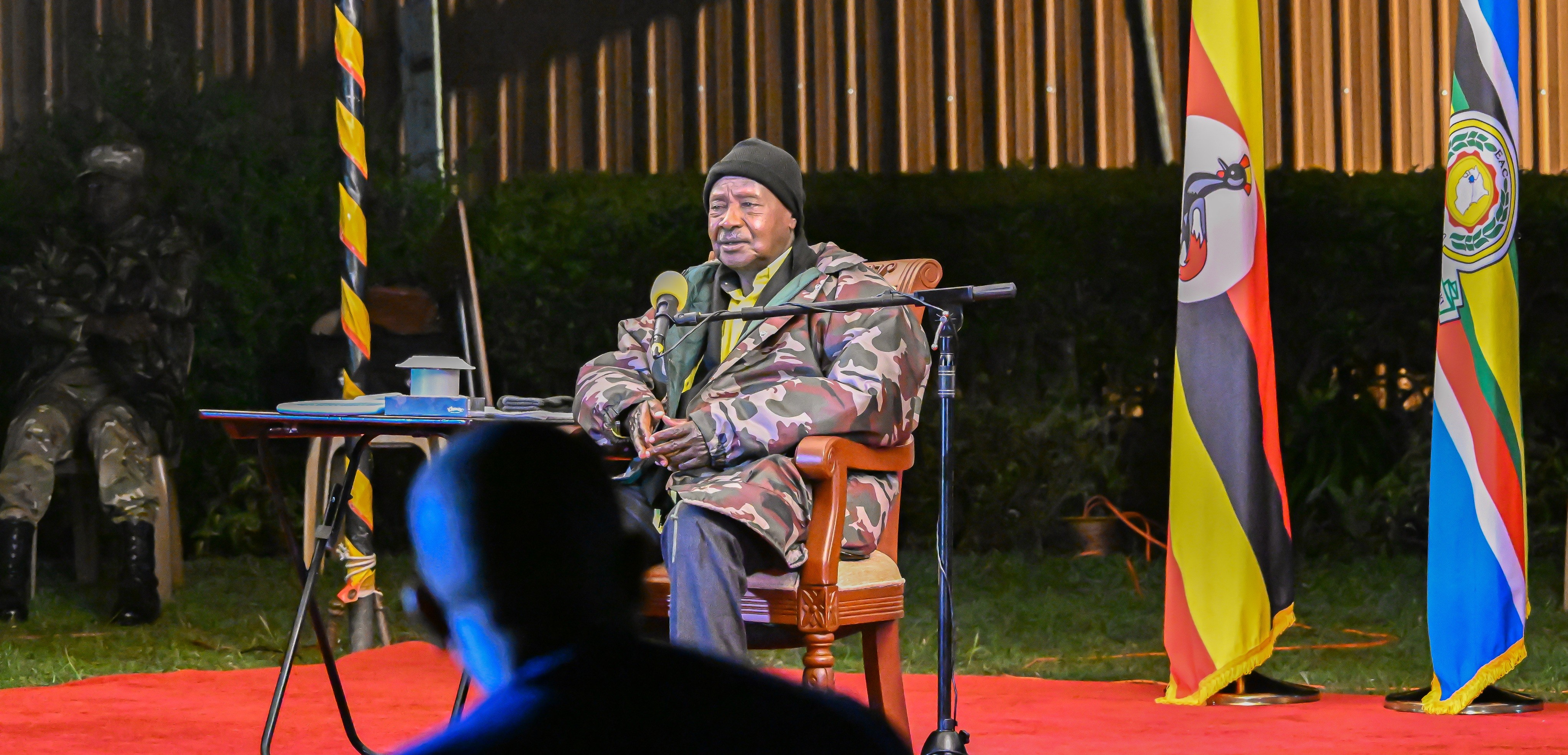
PRESIDENT MUSEVENI RAISES CONCERNS OVER NUP-LINKED VOTE IRREGULARITIES IN KAMPALA
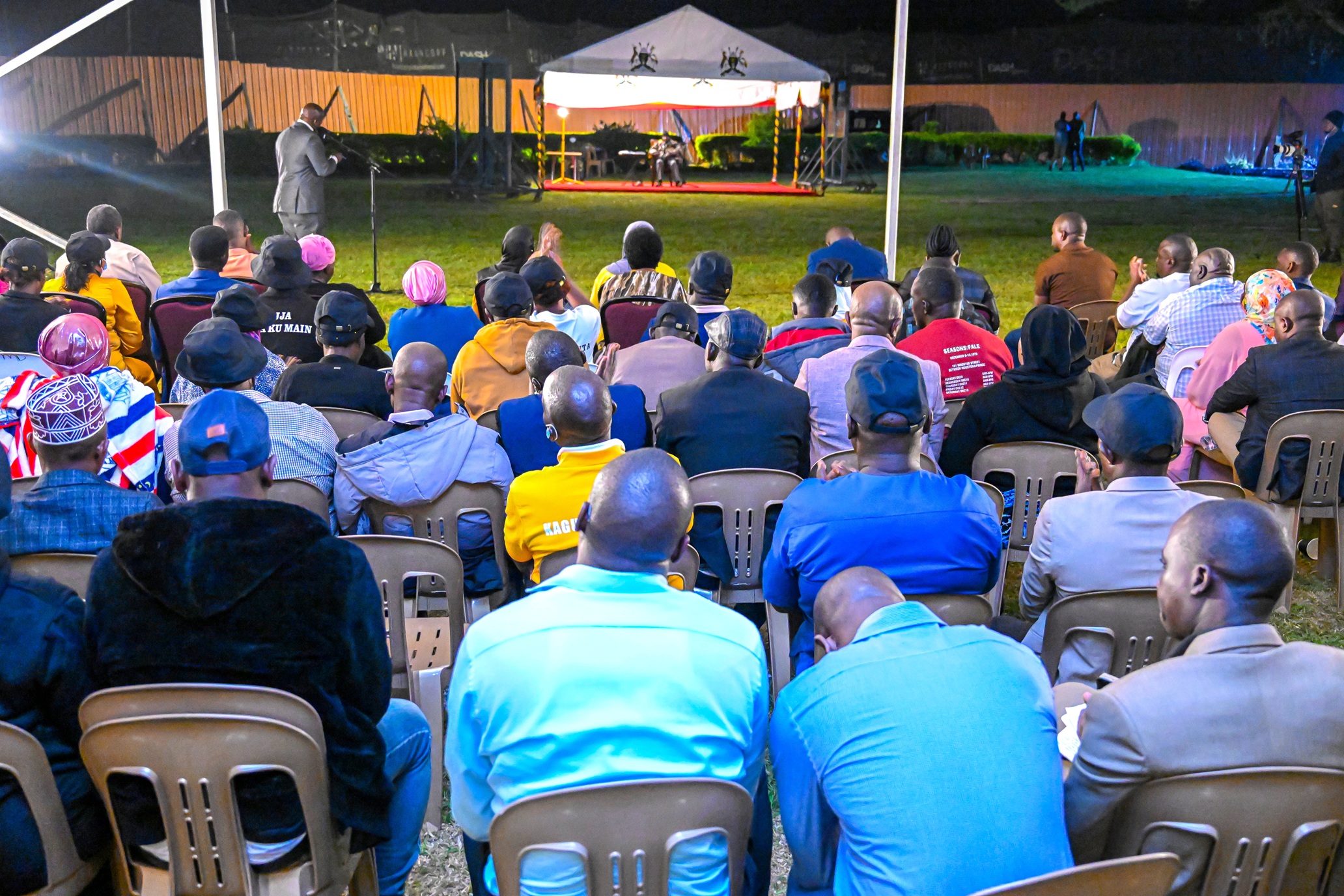
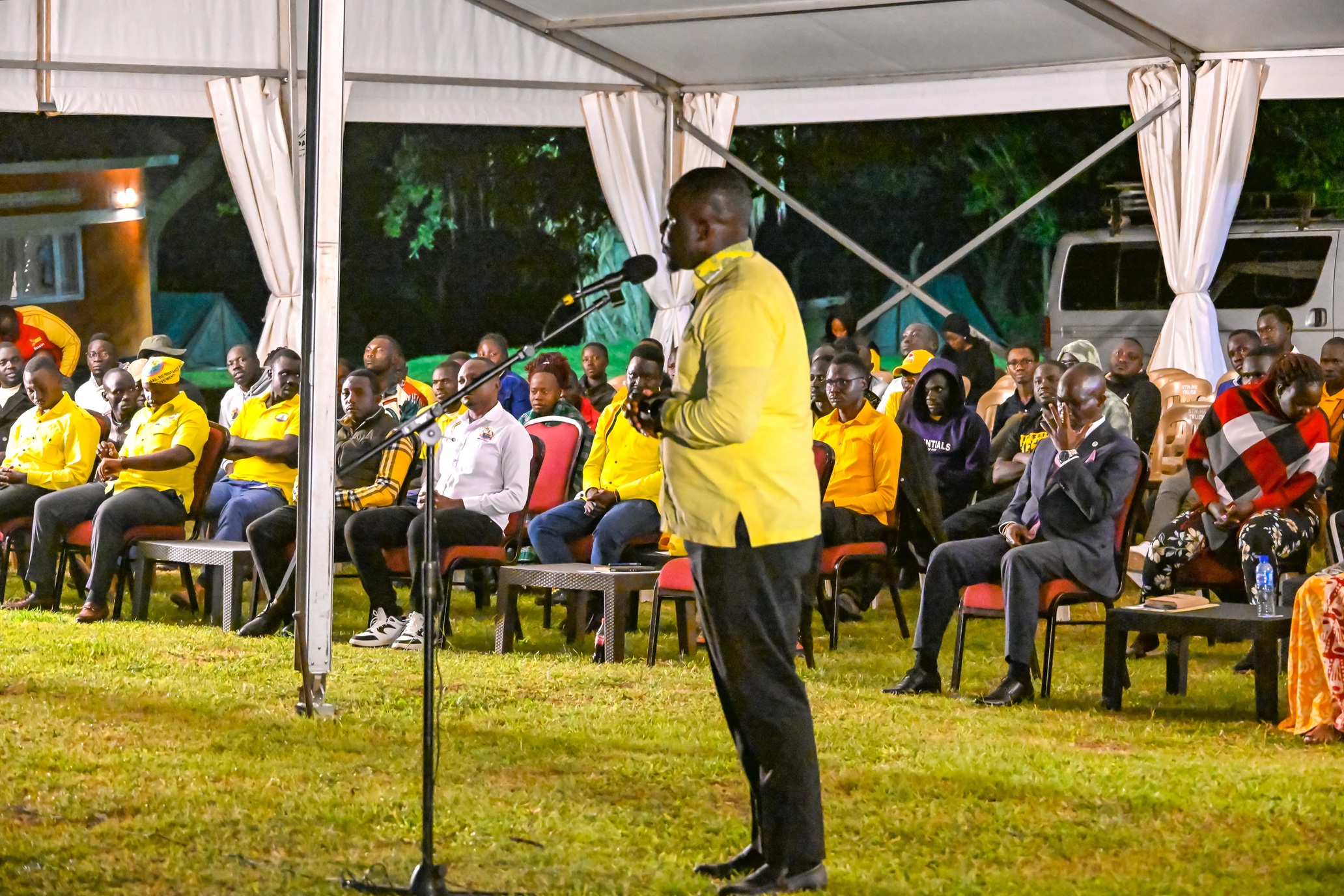
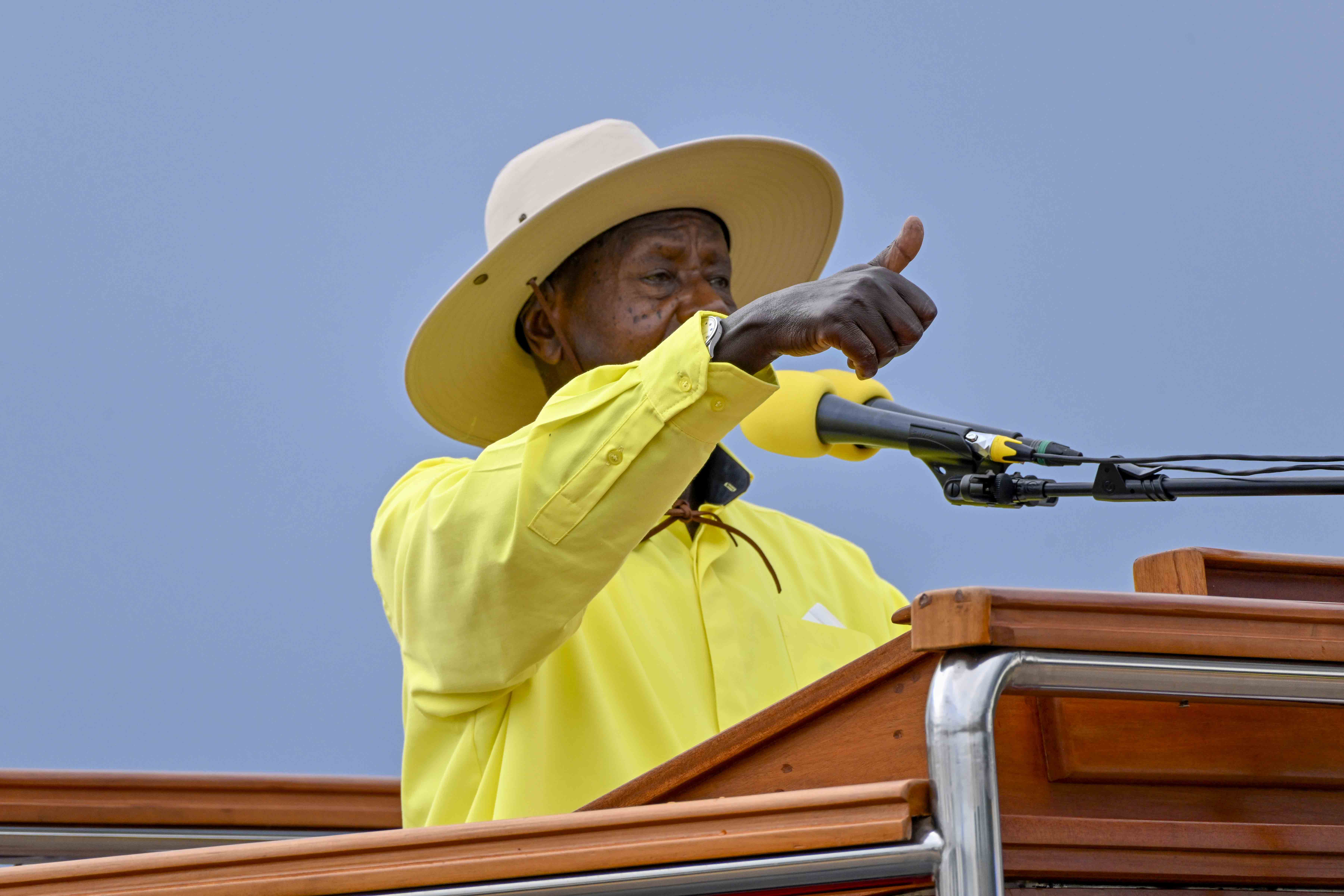
President Yoweri Kaguta Museveni has raised concerns over what he described as serious vote irregularities involving the National Unity Platform (NUP) in Kampala, saying the incidents marked a worrying shift in the conduct of elections. Speaking during a live radio talk show hosted from his Kisozi farm yesterday, the President said the alleged practices went beyond previous experiences of electoral malpractice and required stronger safeguards. “In Kampala, there was ballot stuffing, but this time they went further. Fake ballot papers were printed on Nkrumah Road about one million and about 1.7 million votes were brought in from Dubai. Altogether, that is about 2.7 million votes,” President Museveni said. The live broadcast was moderated by Mr. Ronald Africa of Sure FM and brought together journalists from the Greater Mubende sub-region. President Museveni’s response followed a question from the programme moderator, Mr. Ronald Africa who asked him to clarify remarks he recently made during his campaign rallies regarding alleged vote irregularities involving the NUP party. The President placed the discussion in historical context, noting that election challenges have existed since Uganda’s early post-independence years. “Vote rigging has been there since 1962,” he said, recalling a period when political parties operated separate ballot boxes, a system that encouraged multiple voting and ballot stuffing. He explained that following the disputed 1962 elections, Uganda did not hold another national vote for 18 years until 1980. After the NRM came to power, reforms were introduced to improve transparency and accountability in elections. “We introduced open lining-up, one ballot paper and one ballot box with candidates’ pictures. These measures can work, but they depend on vigilance,” the President said. Looking ahead, President Museveni said the government is strengthening the use of biometric voter verification machines to address emerging challenges. “Even if your finger is eroded, your eyes are not eroded. Biometrics will help stop ballot stuffing,” he said, responding to concerns raised about manual labourers. On the conduct of security personnel during elections, the President cautioned against the use of excessive force, describing it as unnecessary and avoidable. “Beating people shows lack of patience. Torture during elections is not necessary, and I will engage the security forces on this,” he said. At the same time, President Museveni emphasised that maintaining peace remains a national priority. “No one will be allowed to disturb Uganda’s peace. Those who attempt to cause disorder will be dealt with according to the law,” he said. He also responded to claims that security agencies are overstretched during public disorder. “I have heard statements suggesting there are few soldiers and many rioters. Peace and order are maintained through organisation, not numbers alone,” the President said. Turning to development, President Museveni said the Greater Mubende sub-region has registered progress, but gaps remain due to leadership and prioritisation challenges. “Kasanda has only 34 percent access to safe water. That reflects leadership choices,” he said, contrasting it with areas that have recorded higher coverage. He highlighted improvements in electricity, roads, telecommunications, schools and health centres, noting that places such as Kyankwanzi now have infrastructure that did not exist previously. On health, the President attributed population growth in the region to government immunisation programmes. “Mityana now has over 400,000 people. The population increased because children are surviving,” he said. He added that the government could achieve more if public resources were used in a focused and disciplined manner. “We prioritise and do things step by step. We do not scatter budgets,” he said, pledging continued work on the Kakono–Manyi–Mubende–Sekanyonyi–Busujju road. On job creation, President Museveni reiterated that the government cannot be the main employer in a country of 50 million people. “Government jobs are about 480,000. Real jobs come from wealth — factories, commercial agriculture, services and ICT,” he said, noting that new factories now employ about 1.3 million Ugandans. He also defended free education, attributing school dropouts to the reintroduction of fees. “When we introduced UPE, charges came back, and that led to dropouts,” he said, urging young people across political divides to support the policy of free education. Those who dropped out, he added, are being absorbed into Presidential Skilling Hubs. On markets, President Museveni cautioned against inward-looking economic thinking. “None of the opposition presidential candidates talk about the regional market. That thinking is dangerous,” he said, stressing the importance of economic integration. “Our elders taught us ‘Uhuru na Umoja’ freedom and unity. Being a big fish in small ponds weakens us,” the President said.