
GOVERNMENT TO INTRODUCE NEW LAND POLICY TO TACKLE EVICTIONS AND LAND DISPUTES
By Fortunate Akankunda
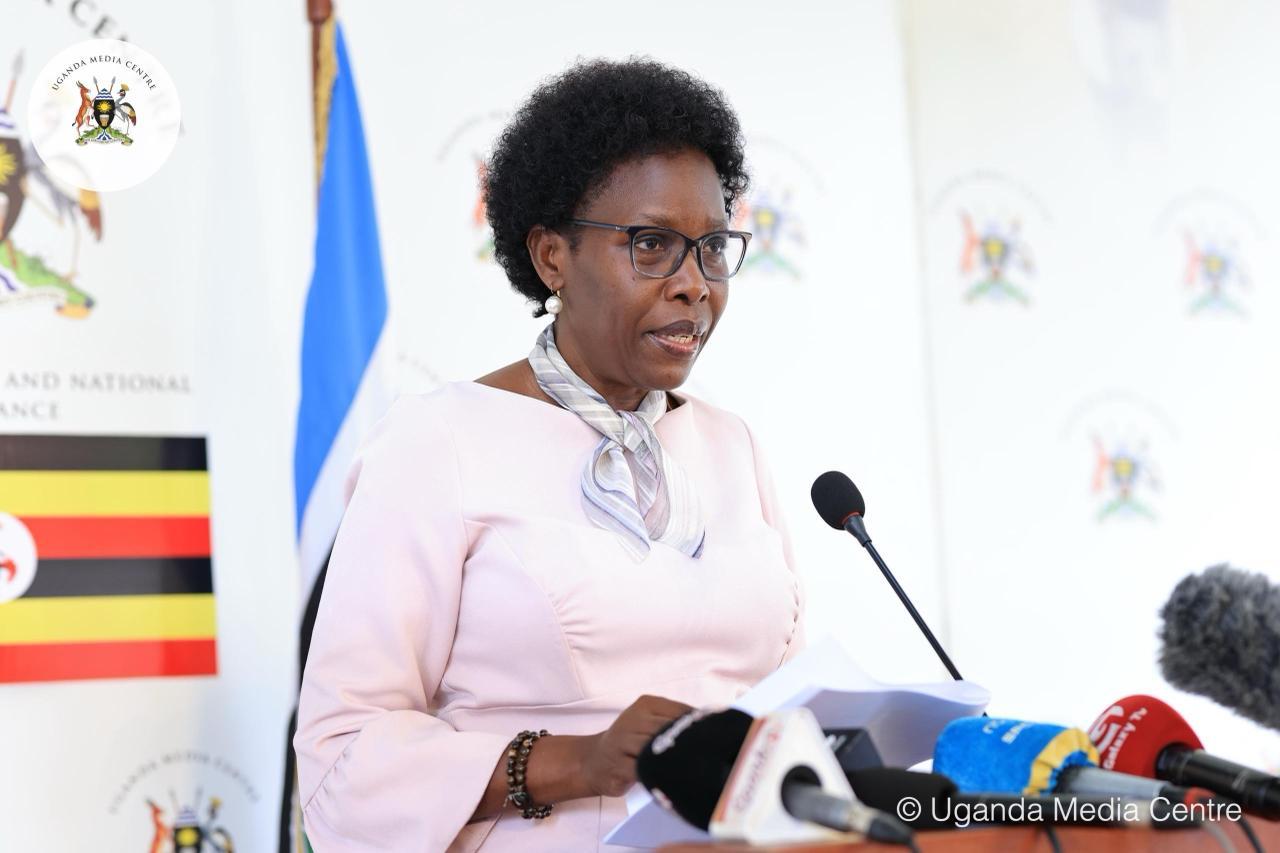
The Ugandan government is in the final stages of developing a new land policy aimed at resolving persistent land disputes and stopping illegal evictions across the country Minister of Lands, Housing and Urban Development, Minister Judith Nabakooba has announced. Speaking to journalists on Tuesday, April 7, 2026 at the Uganda Media Centre, Minister Nabakooba explained that the current land policy, which was introduced in 2013, no longer addresses emerging land issues. This gap, she said, has weakened the government’s ability to handle land-related conflicts. “The new policy will tackle challenges such as illegal evictions, land fraud, and foreign interference in land reforms. It will also help the government increase revenue from the land sector,” Nabakooba said. Her remarks came ahead of a learning week, scheduled for June 9–19, 2026 at Speke Resort Munyonyo. The event aims to promote successful partnerships between the government and civil society organizations (CSOs) in land governance. As part of the learning week, the Ministry of Lands conducted field visits in Dokolo and Butaleja districts. These visits allowed participants to share knowledge and experiences on how government and CSOs can work together to improve land tenure security in Uganda. “The project will be implemented in 10 regional cities, 26 municipalities and 14 refugee hosting districts, directly benefiting an estimated 5.6 million people of which 1.6 million in refugee hosting areas,” Nabakooba added. The cities to benefit include: Lira, Arua, Gulu, Soroti, Mbale, Hoima, Fort Portal, Jinja, Mbarara and Masaka. Also the 15 Municipalities that have been added are: Mityana, Njeru, Bugiri, Rukungiri, Kisoro, Kapchorwa, Iganga, Kotido, Koboko, Sheema, Ishaka-Bushenyi, Ibanda, Kumi, Masindi and Nebbi. “Programs such as the Uganda Cities and Municipalities Infrastructure Development (UCMID) will serve as strategic vehicles to ensure this growth is supported and sustained by climate-smart infrastructure, improved service delivery and job creation,” she said. Nabakooba explained how this program is going to be impactful to the refugee community by creating jobs. “The UCMID program aims to have created about 20,000 permanent jobs, including 5,000 in refugees and host communities, through market operations, maintenance services, waste management and logistics. It should also have strengthened infrastructure and better market access will lower business costs, boosting the demand for labor, and increasing household incomes, especially benefiting women, youth and low-income groups.” Frances Birungi, Executive Director of the Uganda Community Based Association for Women and Children Welfare, urged the government to ensure that the new land policy addresses the needs of children, women, and persons with disabilities. Birungi noted that while Uganda has progressive, people-centered land laws, implementation remains a major challenge. “These laws are pro-poor and progressive, especially on succession and inheritance. But socially marginalized groups are often left out, preventing them from fully exercising their land rights and contributing to national development,” she said. More than 100 foreign delegates, from over 30 countries, are expected to attend the learning week. President Yoweri Museveni will be the chief guest at the event.08 April 2026
